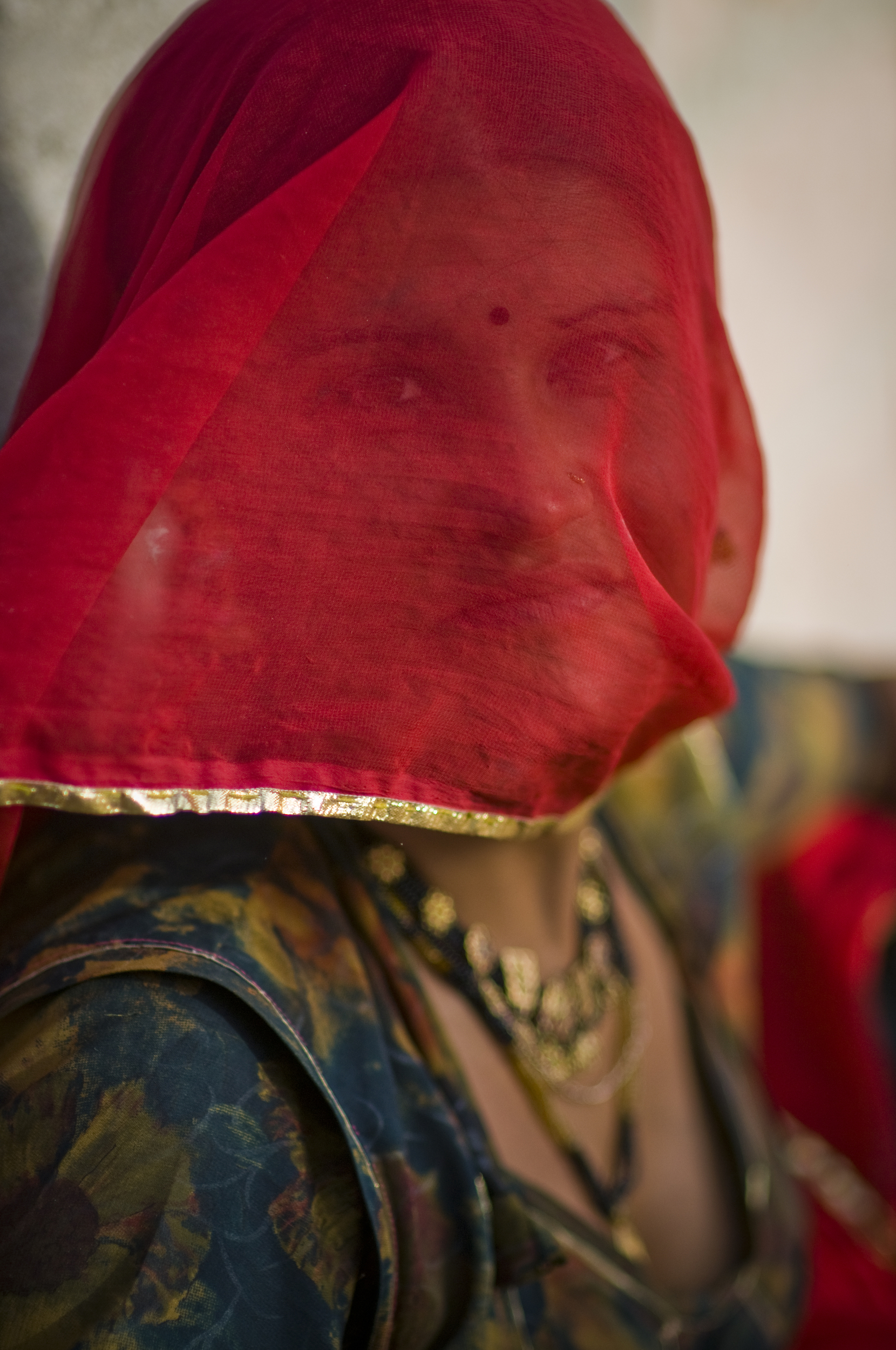
The stereotypical idea of what many think India looks like – and it does, but only in Rajasthan.
Check the gallery here.


The stereotypical idea of what many think India looks like – and it does, but only in Rajasthan.
Check the gallery here.
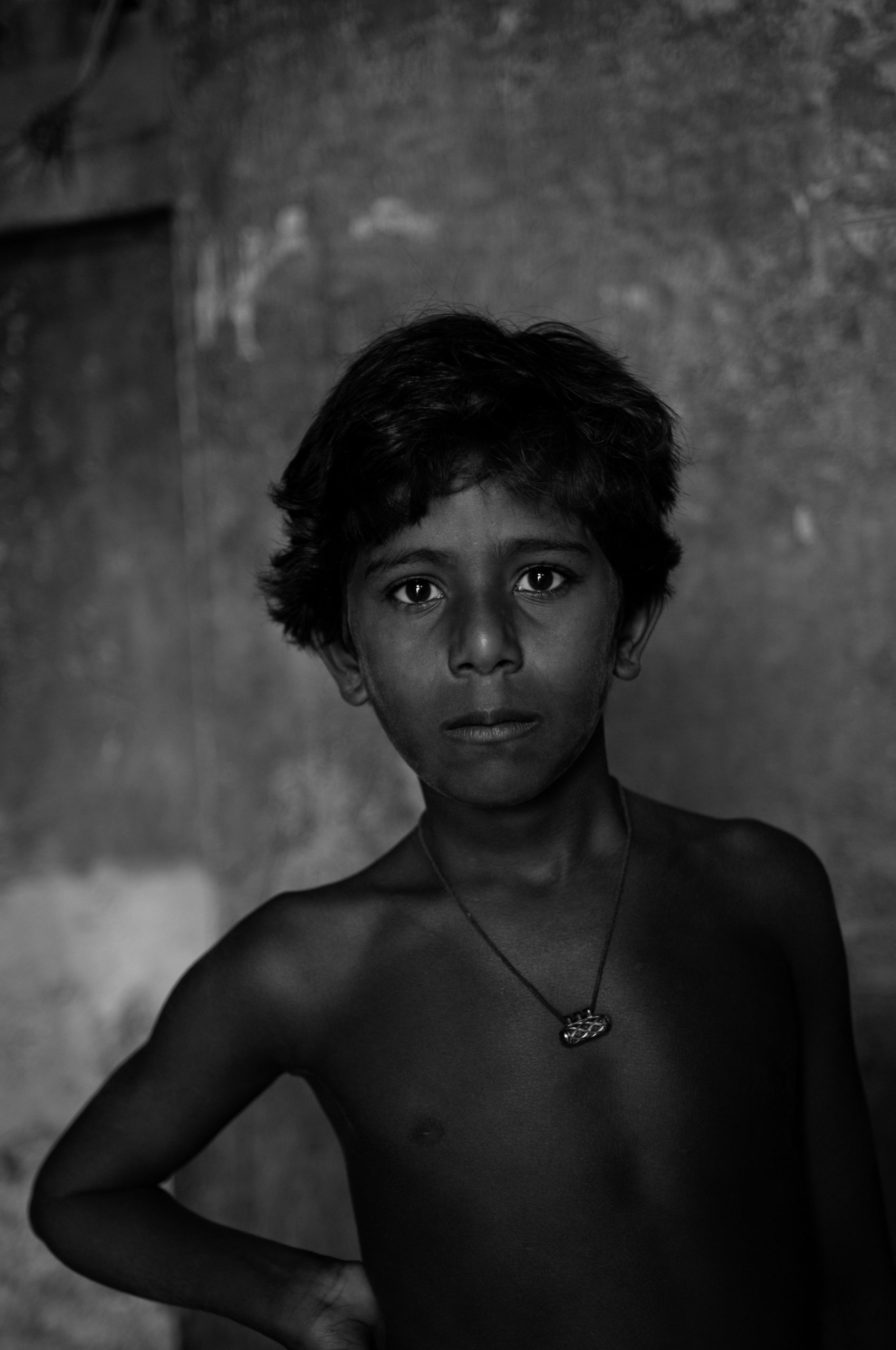
The social distance between rich and poor is stark in Kolkata, even for Indian standards. The wealthy enjoy a game of cricket amid the grand architecture of the colonial past while the poorest of the poor barely survive under bridges.
Check the gallery here.
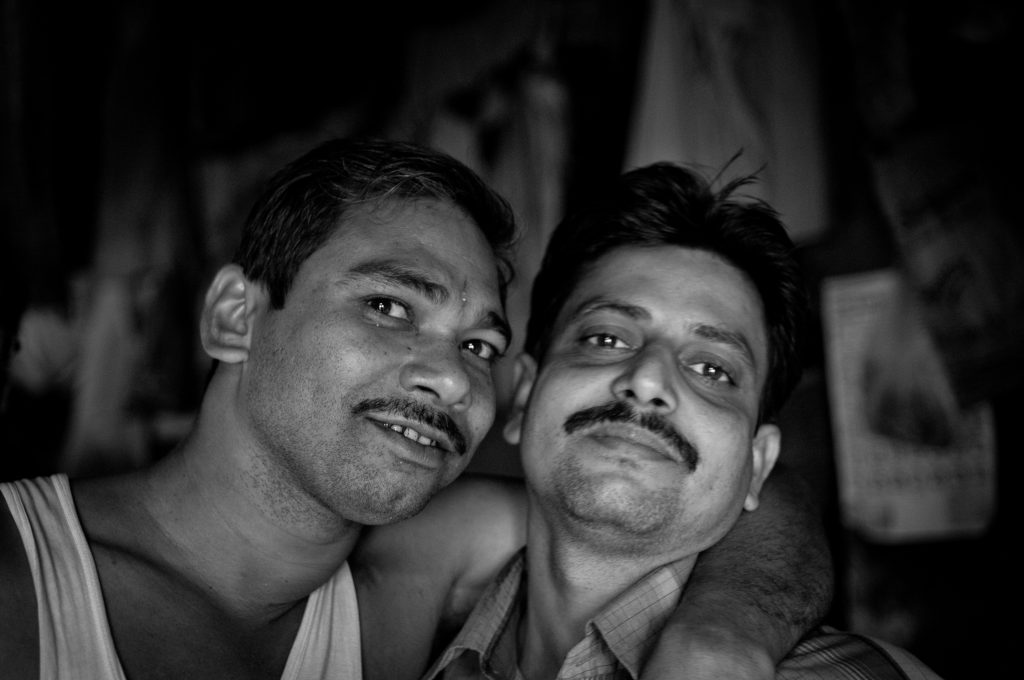
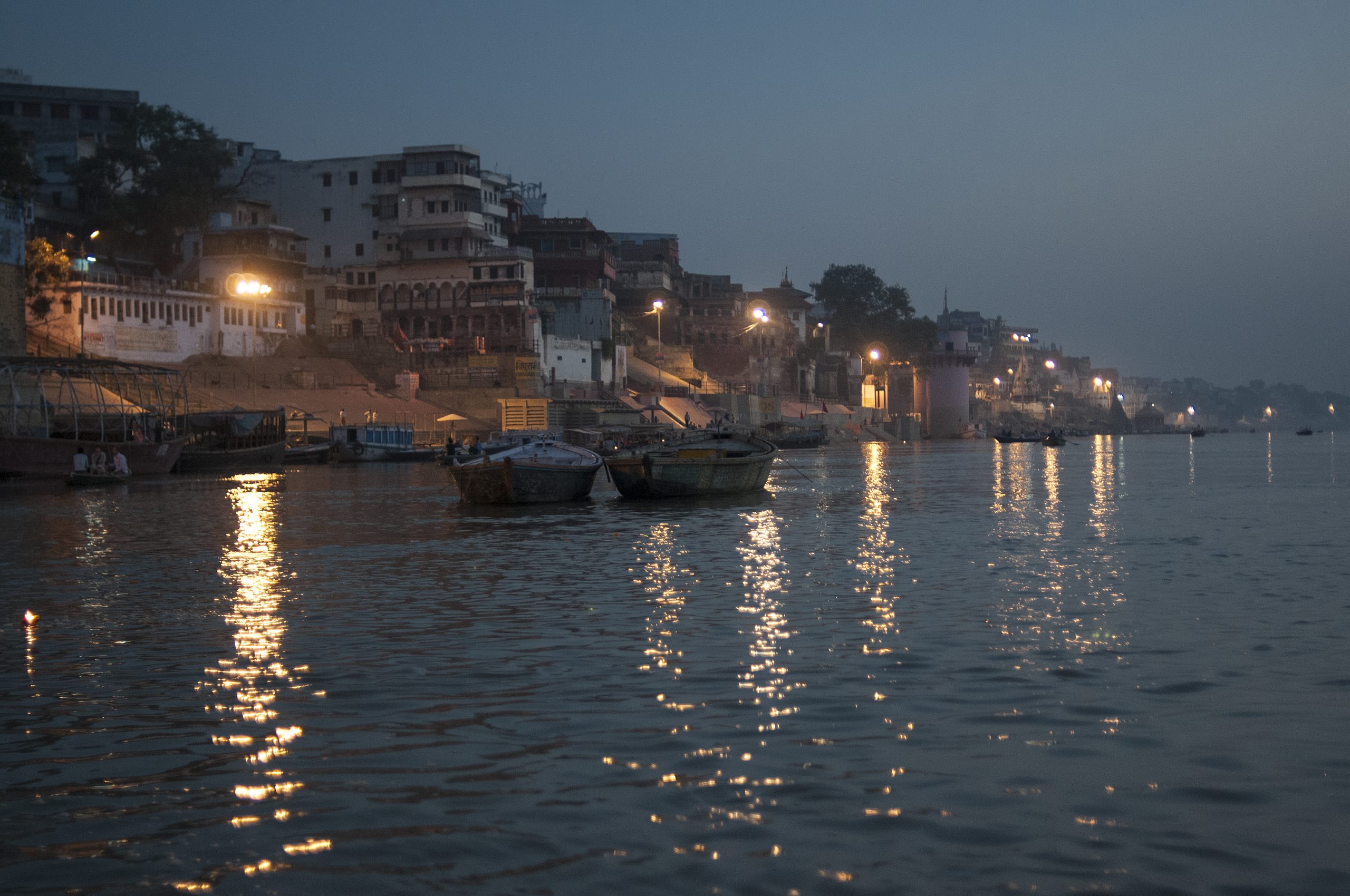
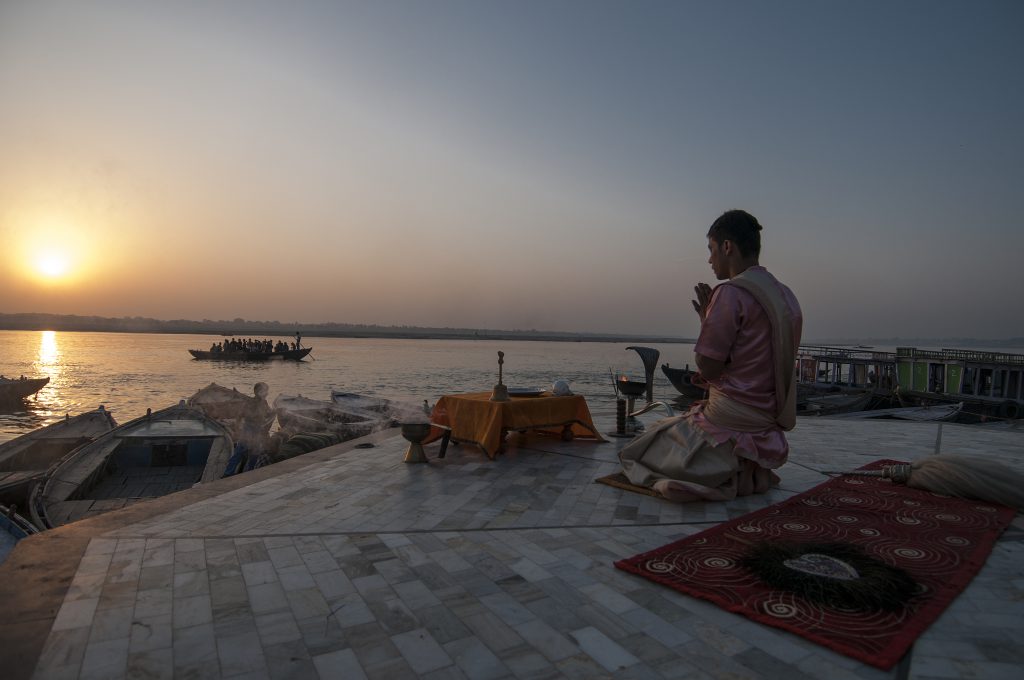
Most visitors to Varanasi only have one goal – the waters of the river Ganges. The idea is to worship and cleanse sins by bathing. Taking a sip of the water is supposed to be part of the ritual, although you would need a cast iron stomach not go get sick given the near-sewage quality of it.
Check the gallery here.
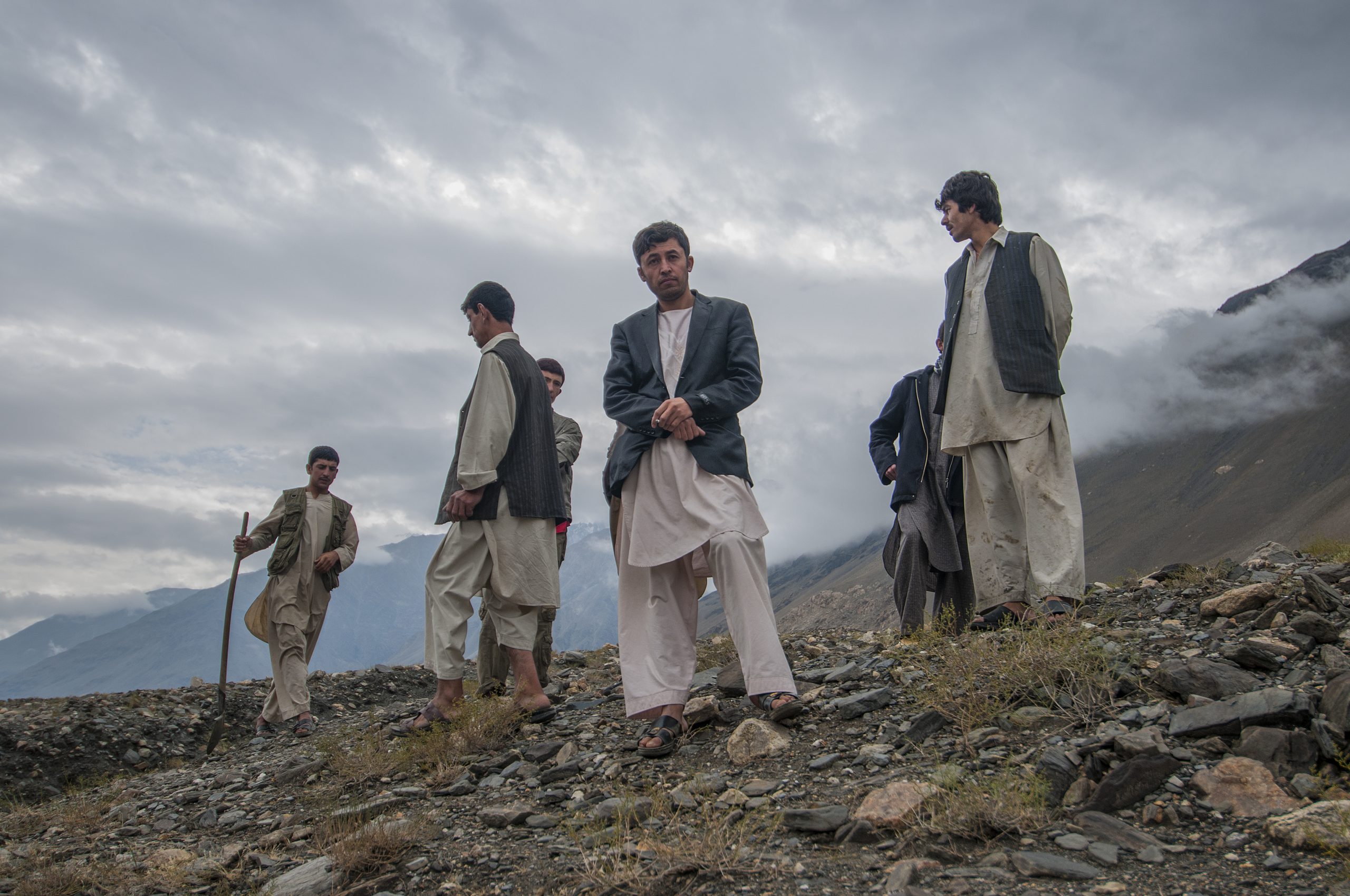
We arrived in Ishkashim via Tajikistan. The moment we crossed the heavily secured border, we entered through a time tunnel into a different century. Fairly modern on the Tajik side, ancient and old fashioned 10 metres along. If it wasn’t for the AK-47 guns that everyone carries and the Toyota pickup trucks (and the knocked-out Russian tanks) you would not believe this is the 21st century. Certainly in the Wakhan it isn’t.
We made our way on foot to Sarhad which is a dead end surrounded by mountains on 3 sides. On our way we came across many people who welcomed us with open arms. Some of them had never seen a European. Being flabbergasted, they invited us for bread and yoghurt – it was all they had that day.
We got lice, fleas and God knows what else. In the end it didn’t matter because we got a glimpse of what a place looks like when time stands still.
Check the gallery here.
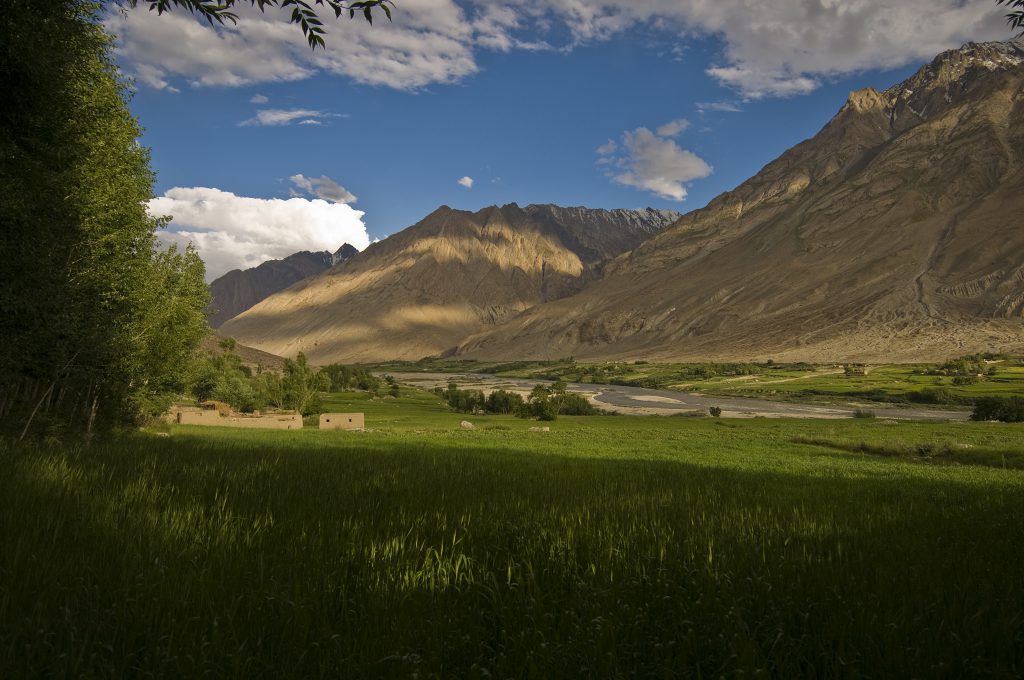
Our road started at Dushanbe and we wanted to get to Ishkashim at the entrance of the Wakhan Corridor, which is partly in Tadjik and Afghani hands, but one part of it is in the 20th century, while the other is in the middle ages if it wasn’t for the presence of automatic weapons.
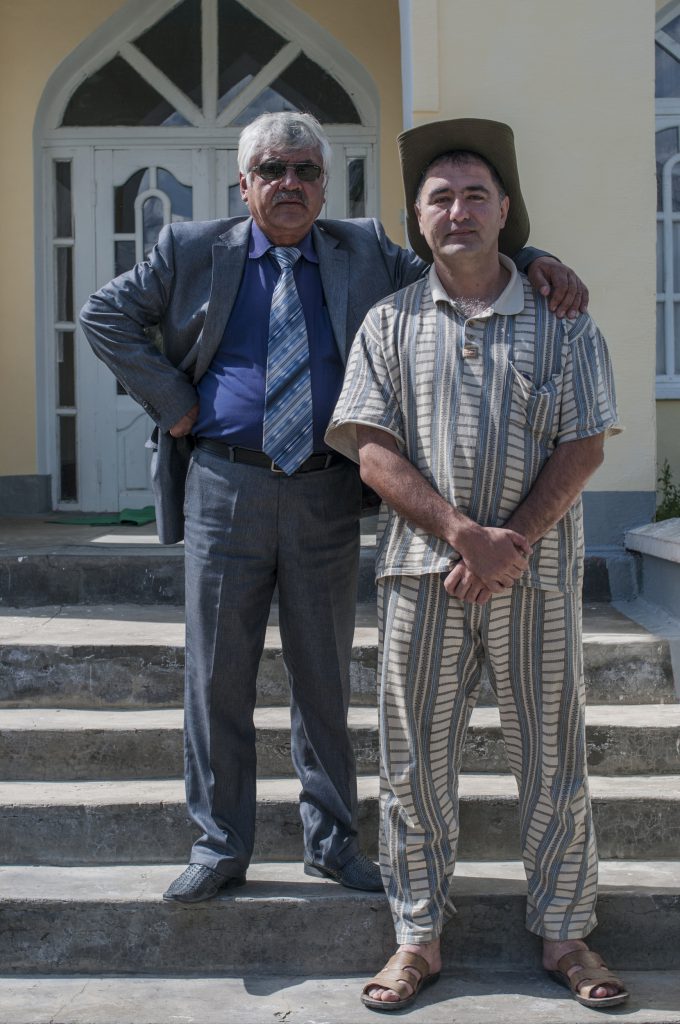
The country is a strange mix of Pamir and Soviet culture – Russian is the main common language.
After Qal’ai Khumb, the Pamir Highway follows the river Panj which marks the border with Afghanistan. As you drive on the Tajik side, you can see the donkey traffic from another age on the Afghani side. But although the Afghani side is very close, it is totally unreachable since the river Panj is such a formidable barrier.
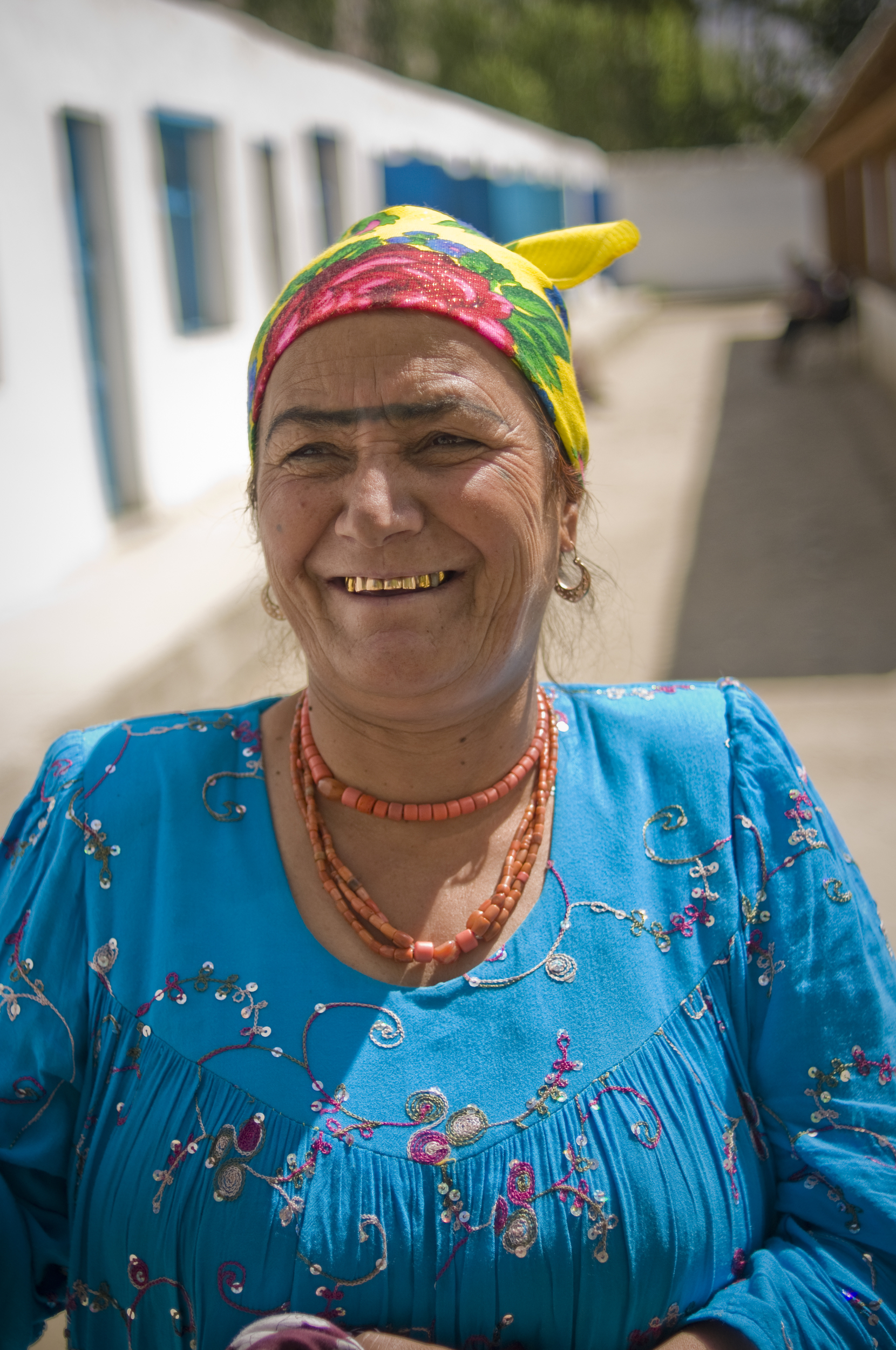
Gold is beautiful in Tadjikistan – literally. Having all teeth covered in gold is considered beautiful, particularly for women. That and having no gap between the eyebrows.
Check the full story here.
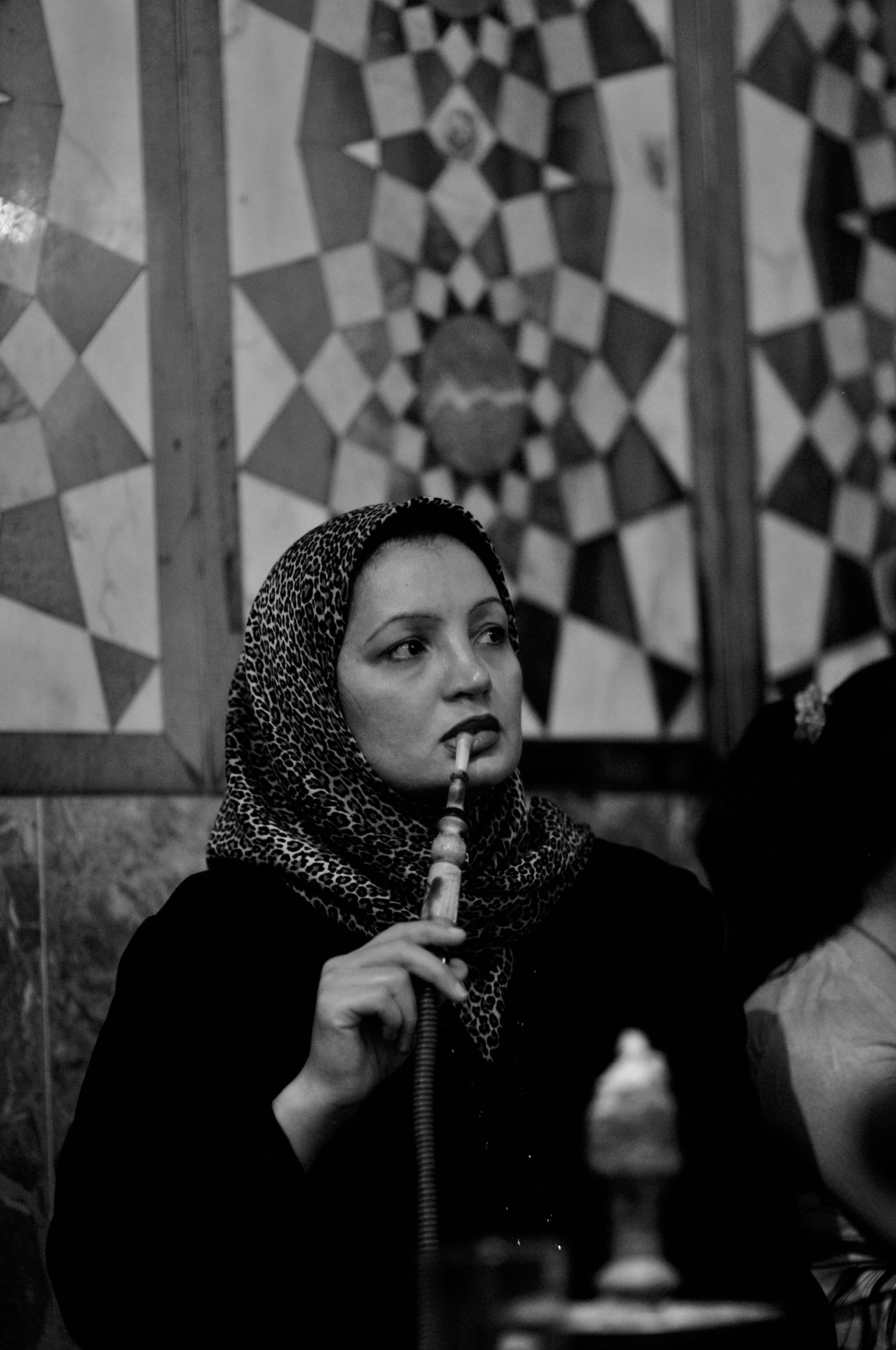
Syria has a bad reputation but in 2009 it was most hospitable and fascinating to explore. It felt very relaxed, 100% safe and quite conservative but accepting of foreigners.
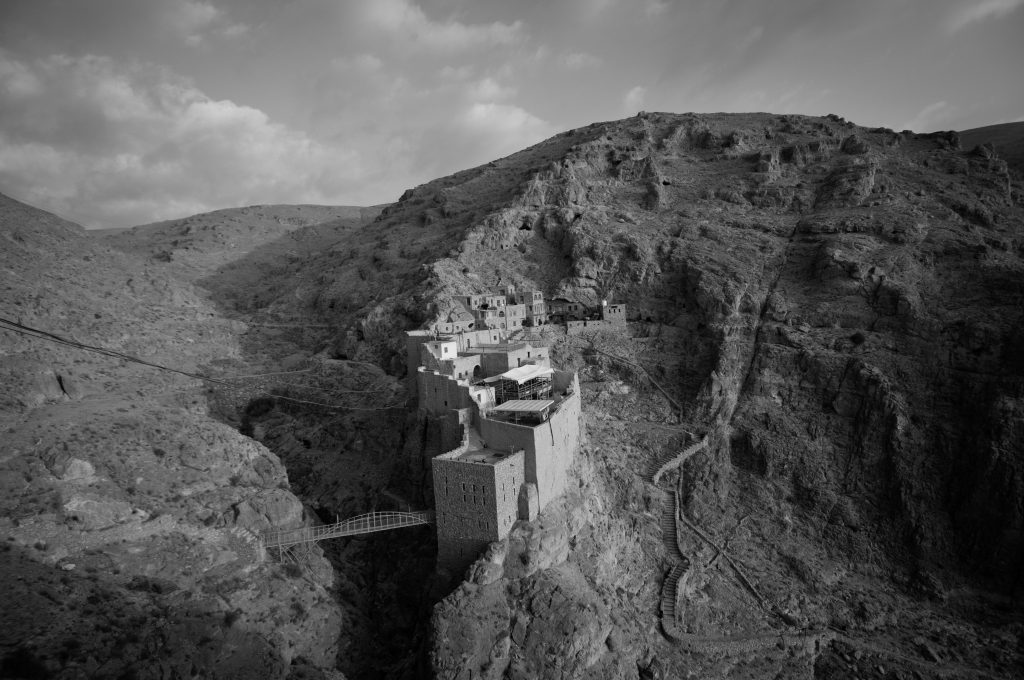
Photos shown are from Damascus, Aleppo, An-Nabk, Mar Musa, Palmyra and Krak de Chevalier. The Ummayad Mosque in Damascus is still standing but the central mosque in Aleppo (man in foreground) is a ruin, and so is Palmyra unfortunately. I don’t think the columns and amphitheatre are still standing. I don’t know what happened to the mountain convent of Mar Musa but I hear it was also attacked by IS.
Check the gallery here.
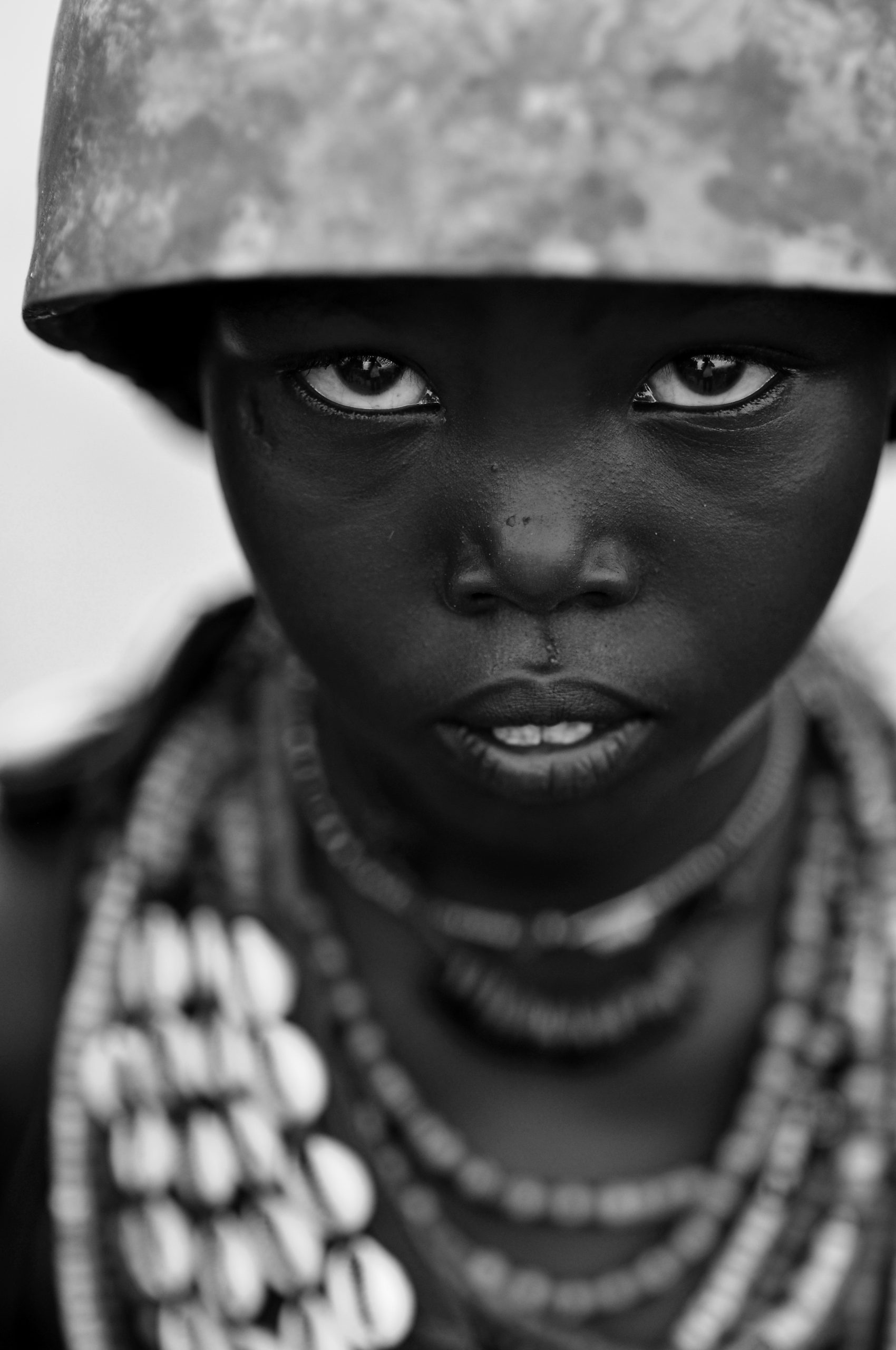
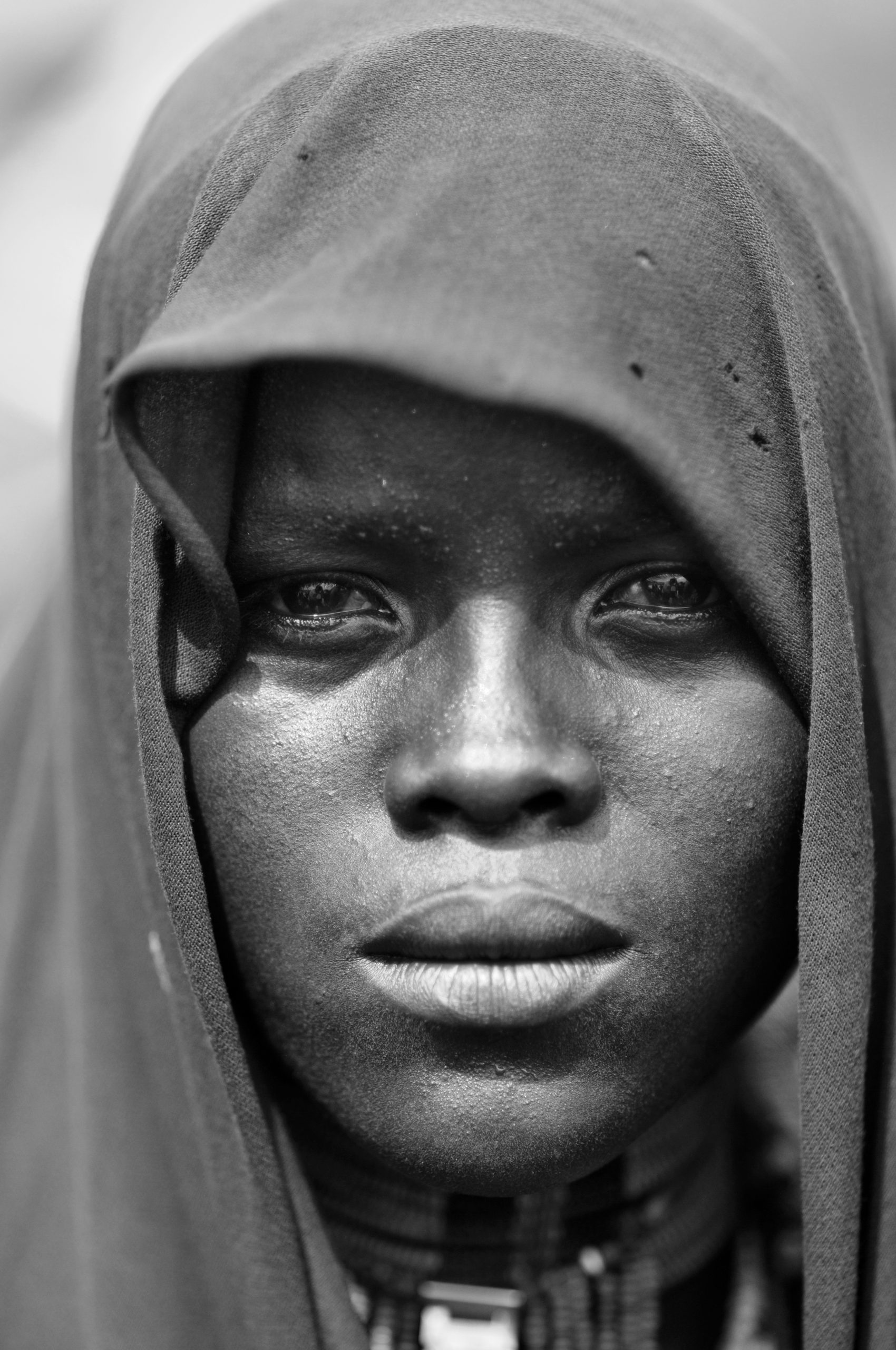
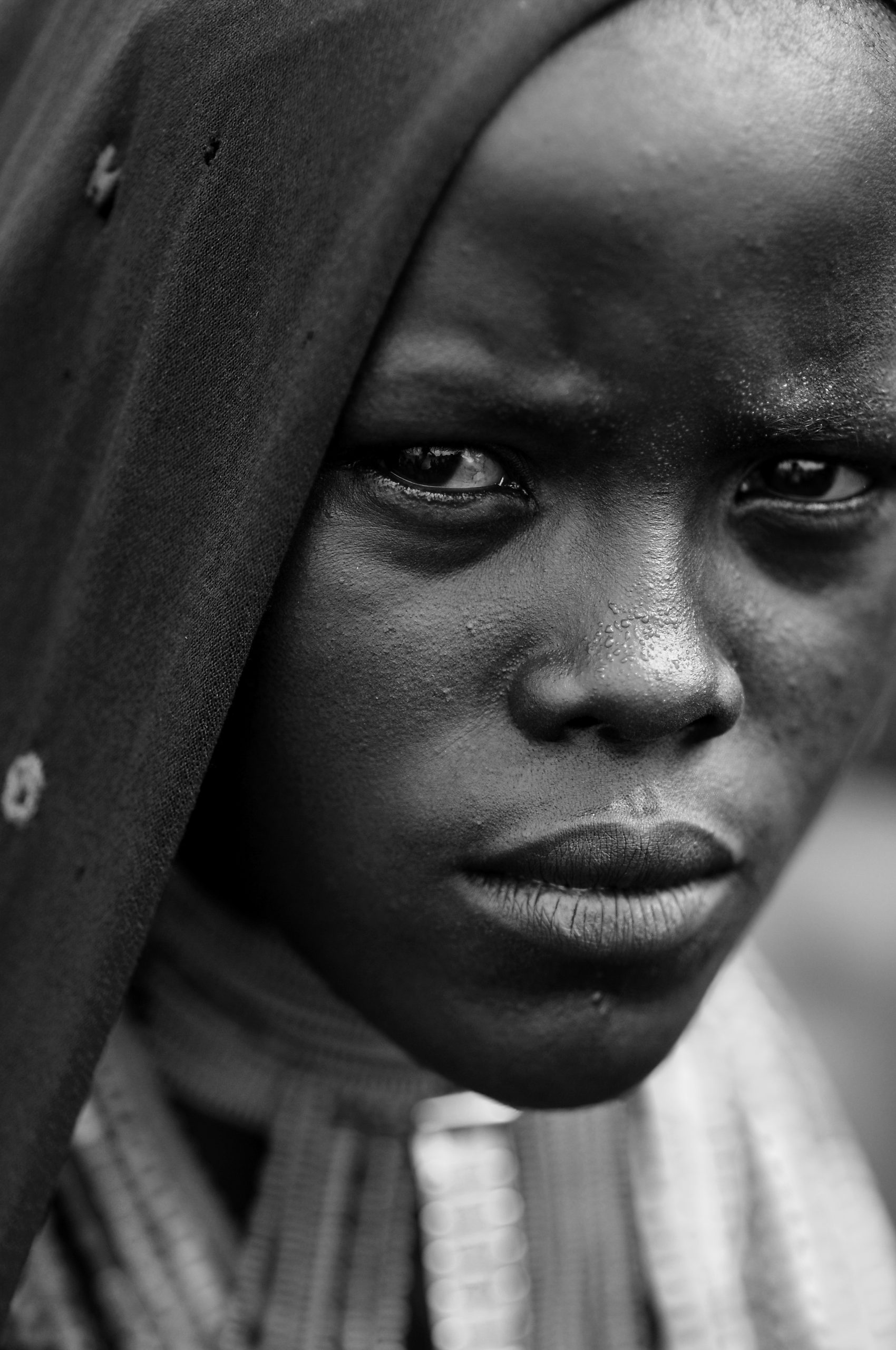
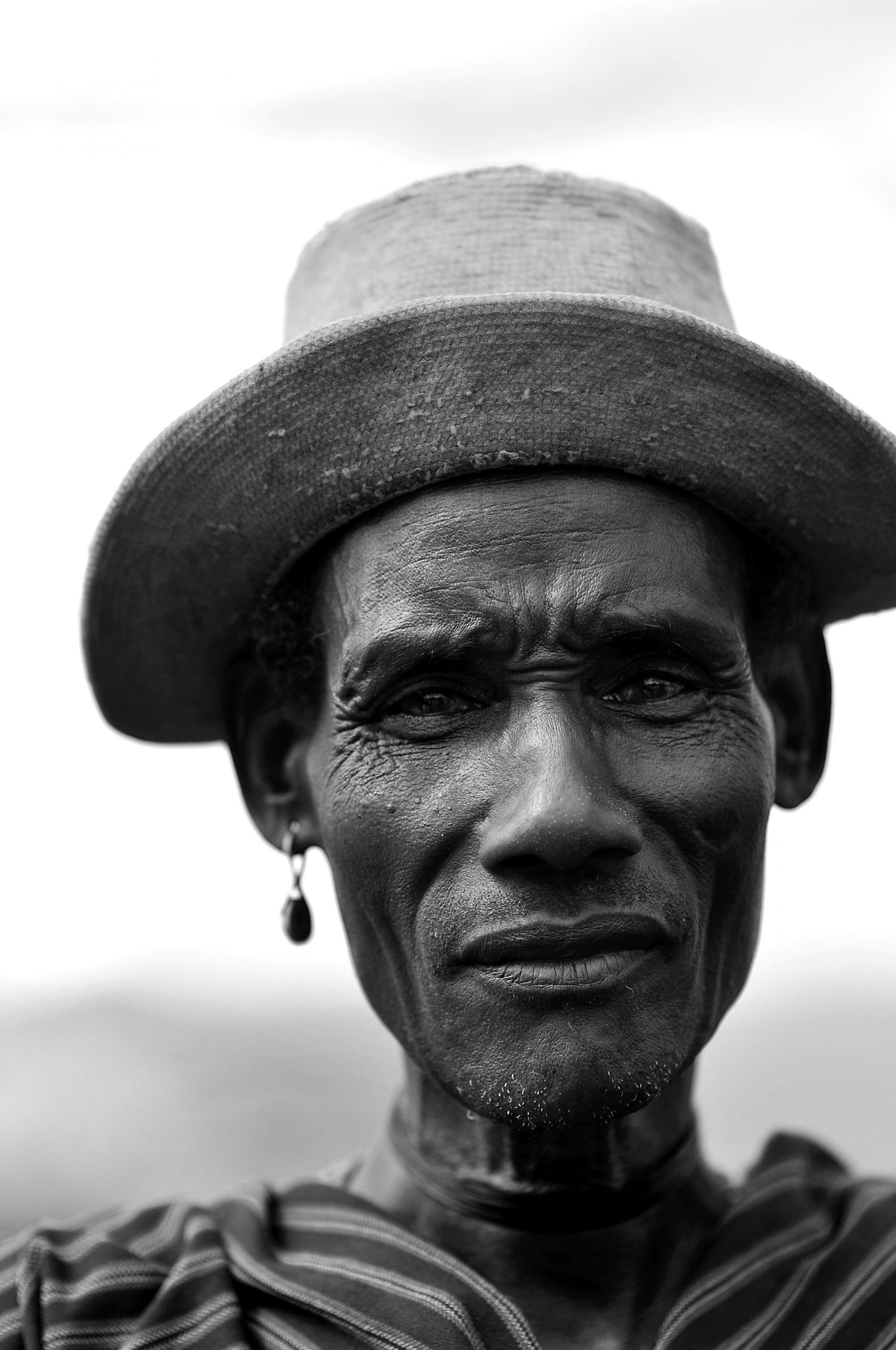
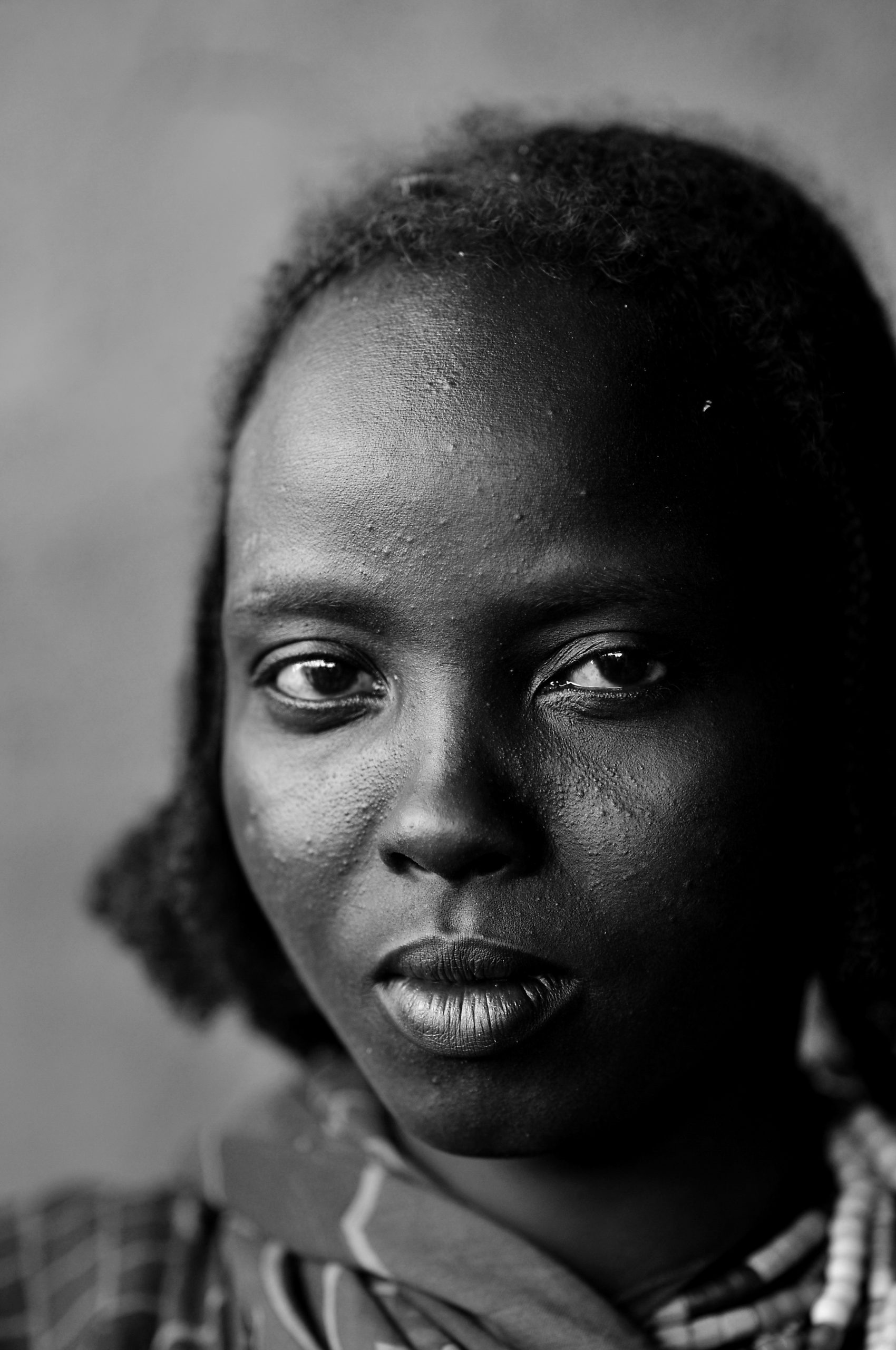
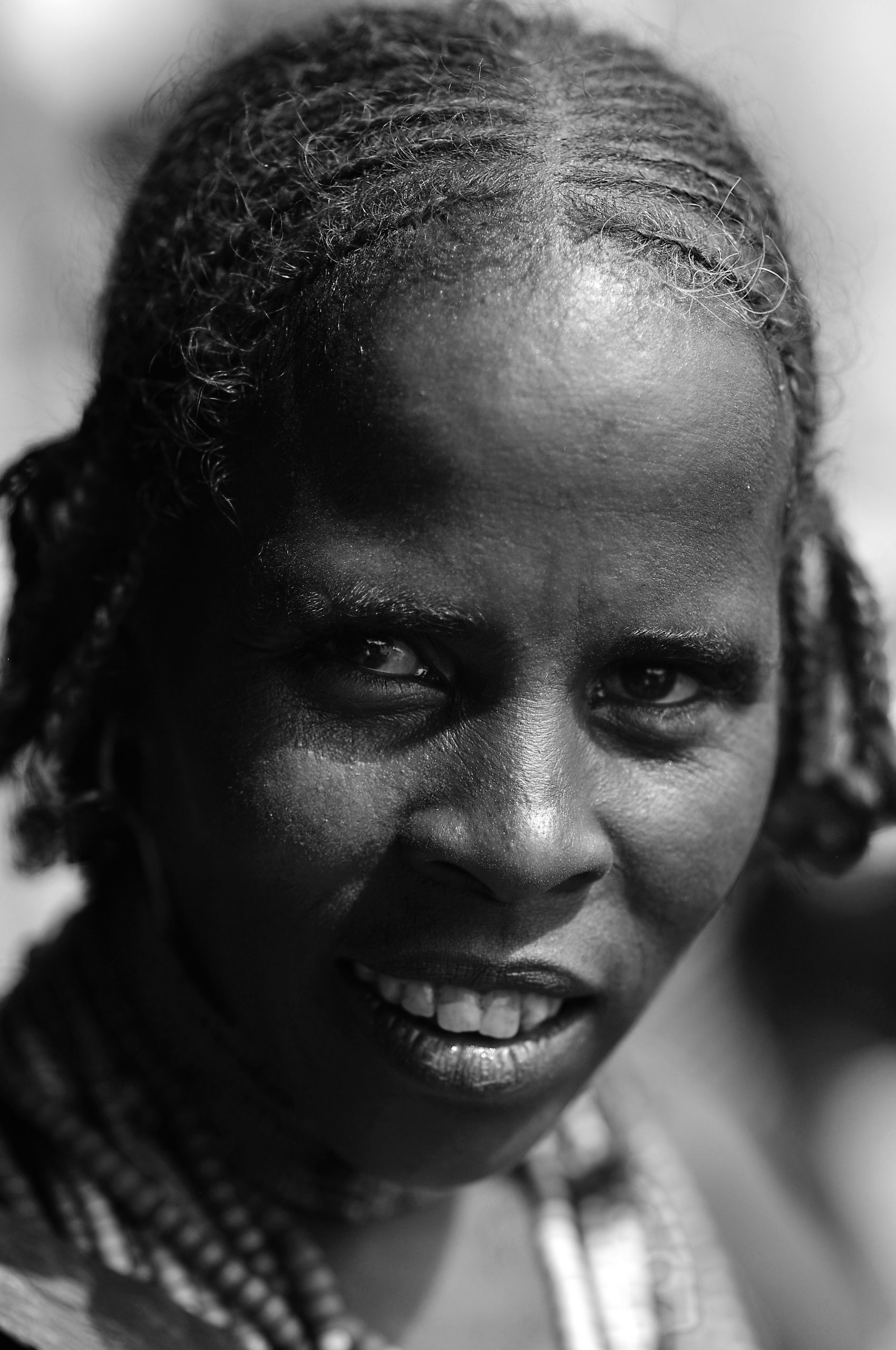
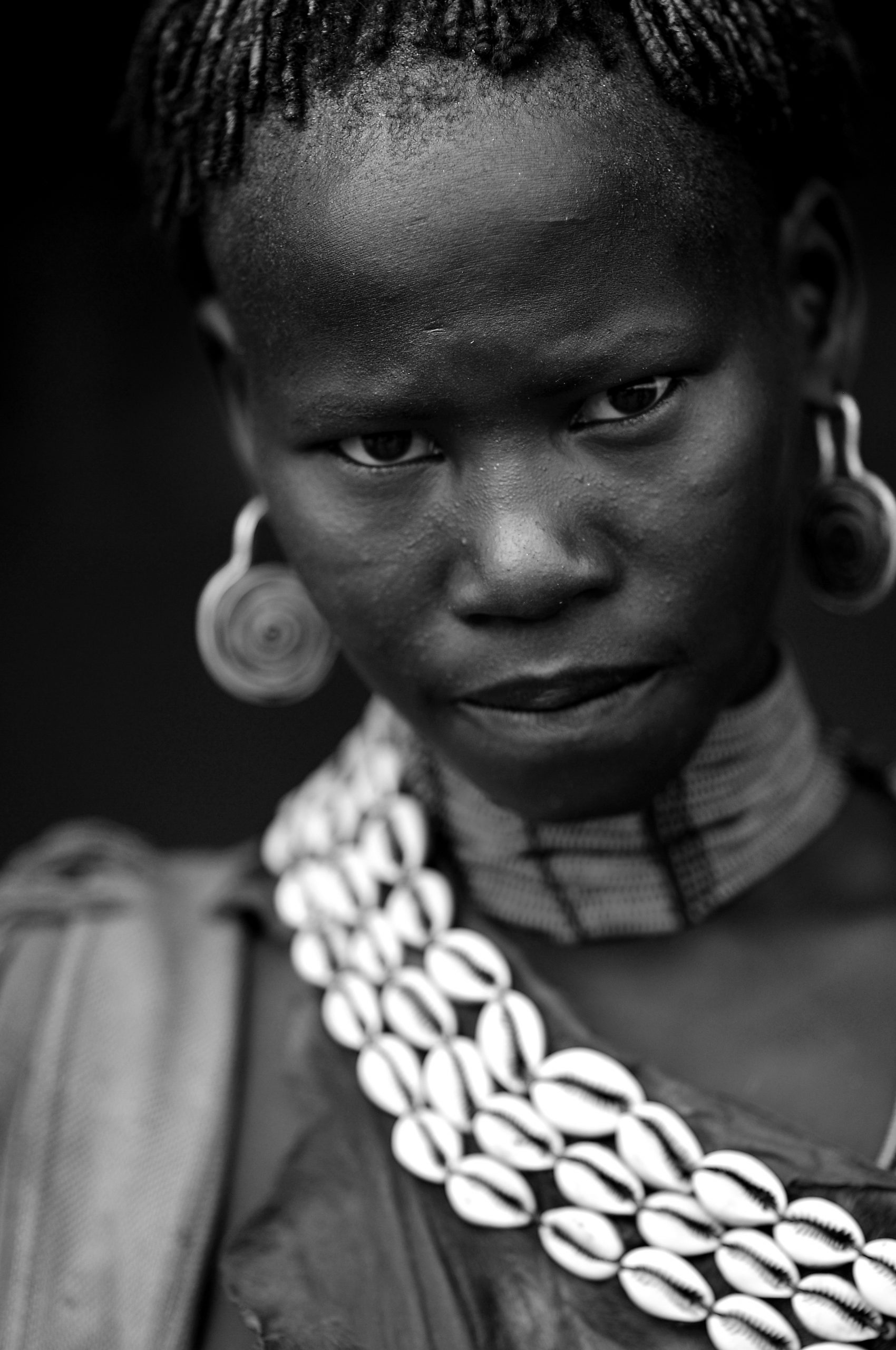
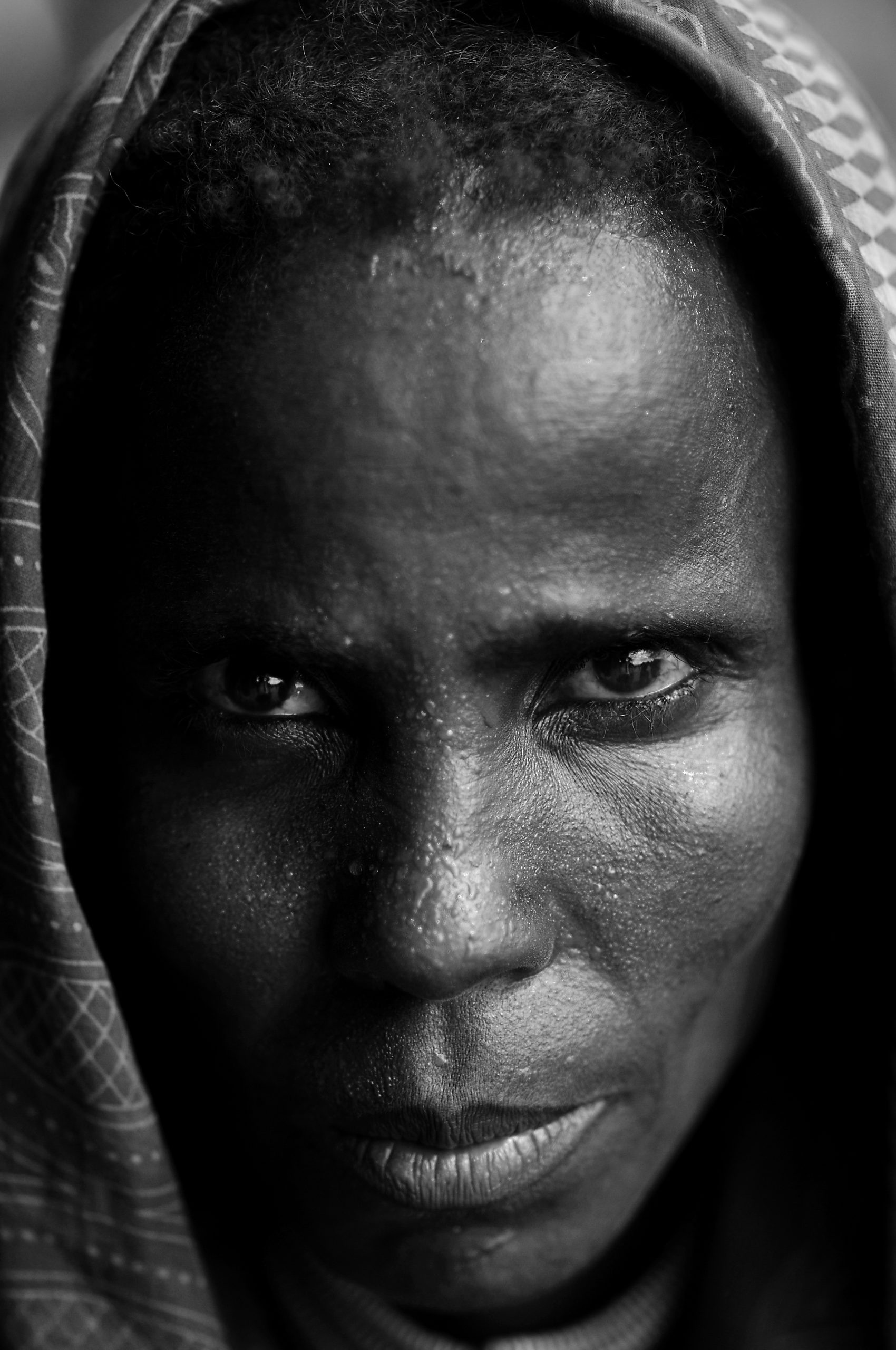
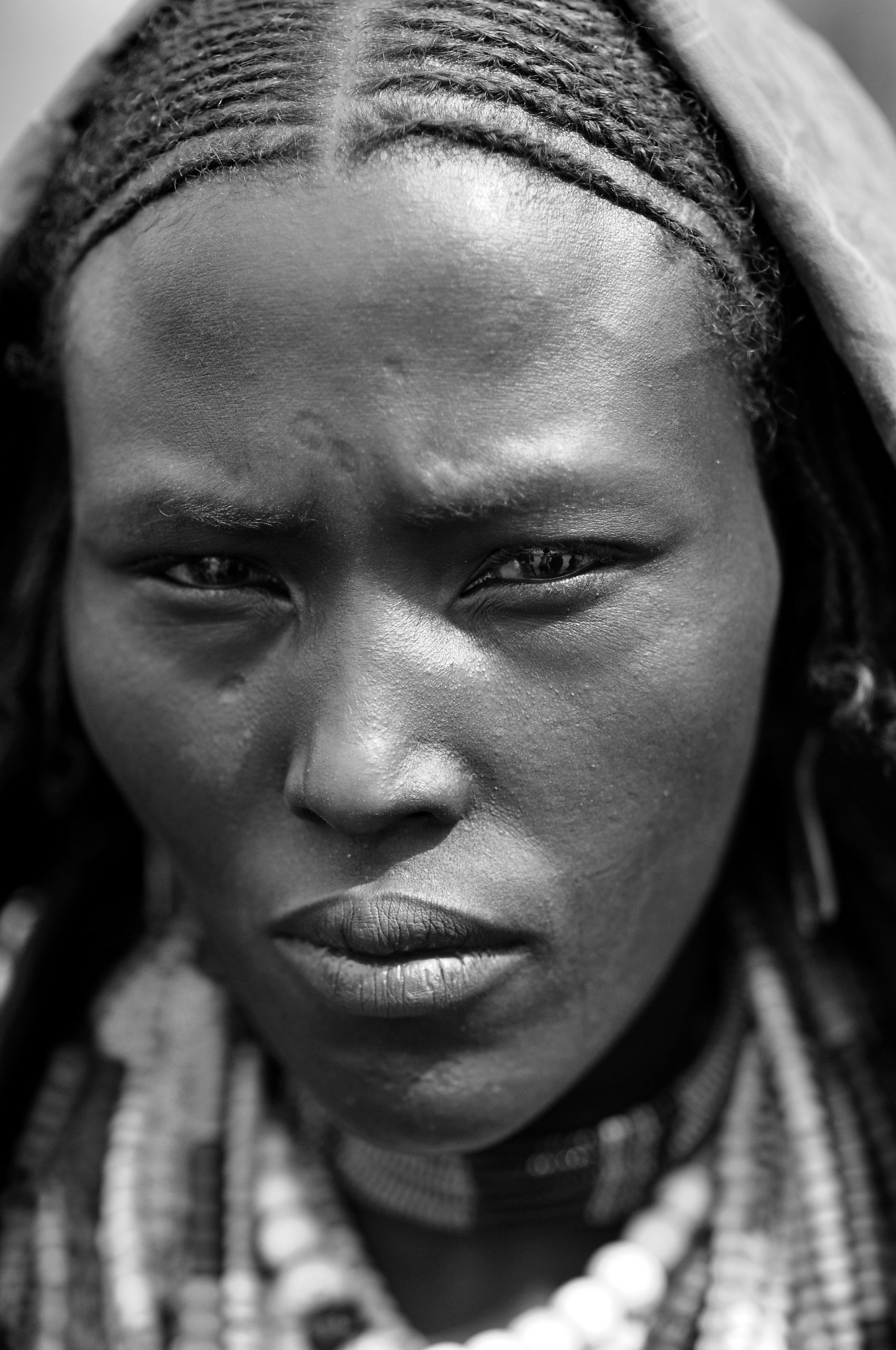
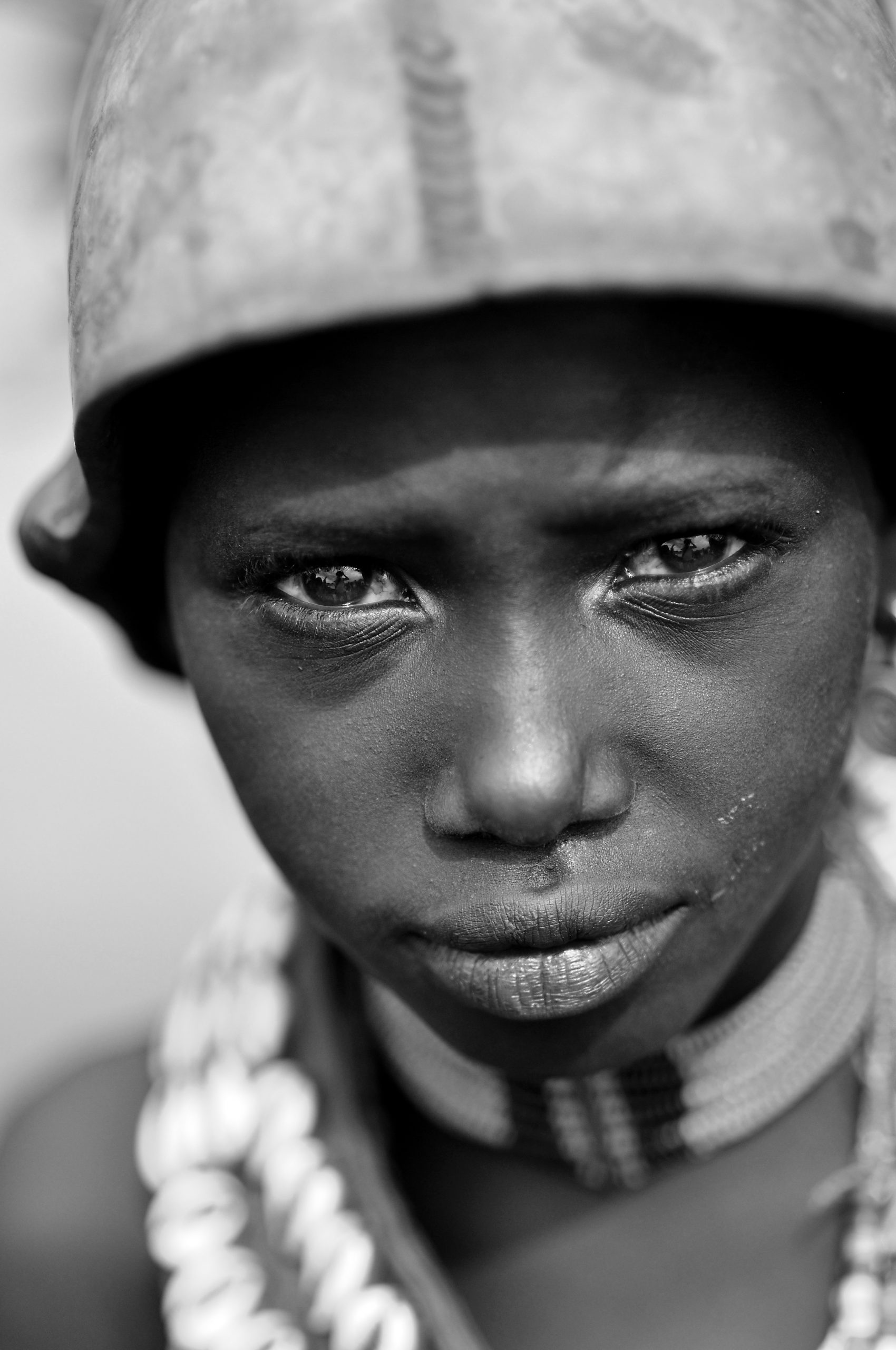
Portraits of members of the Arbore tribe in the Omo region of Ethiopia.
The Arbore are a distinct ethnic group who live between Arba Minch and the Omo river in Ethiopia.
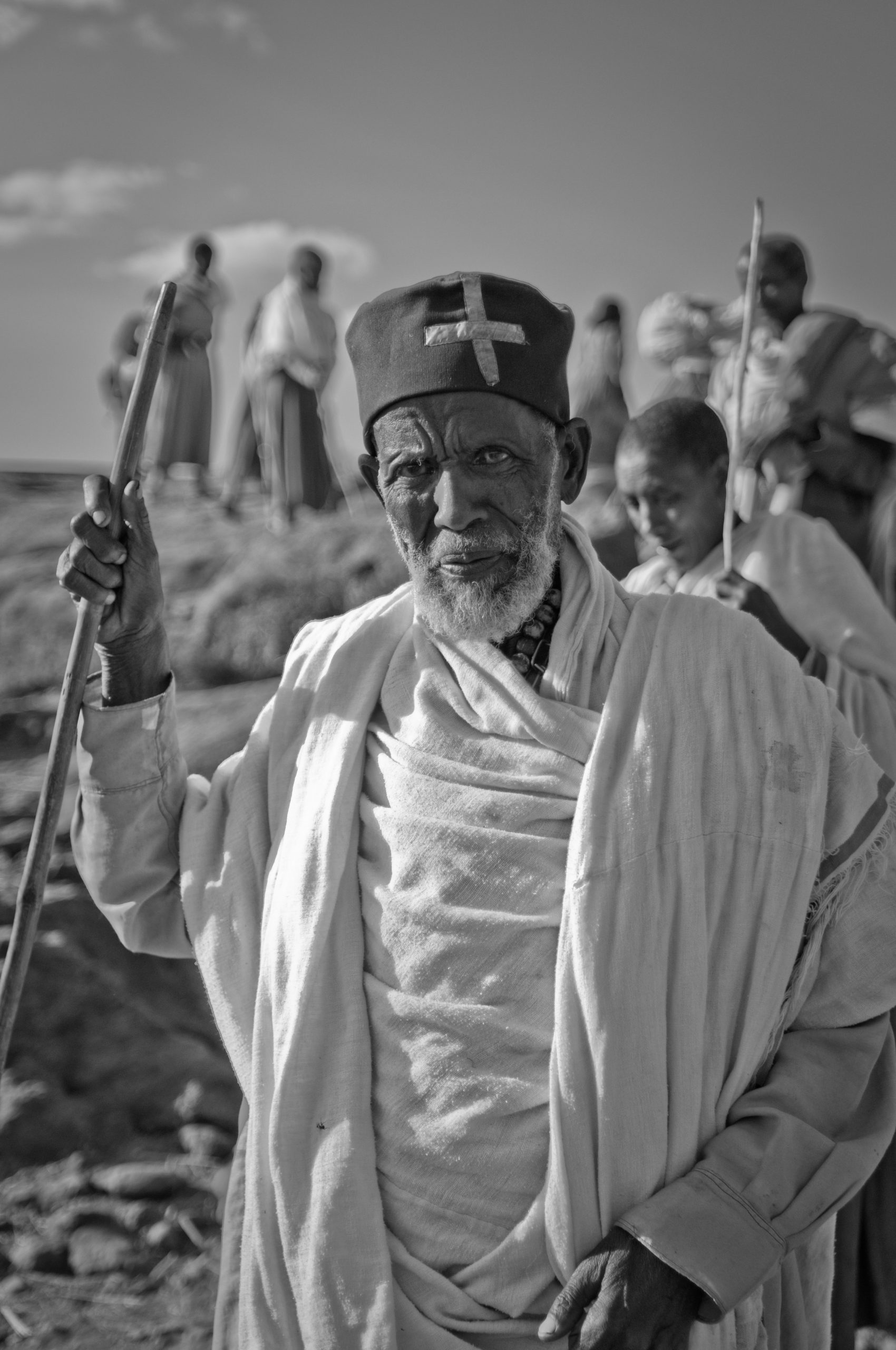
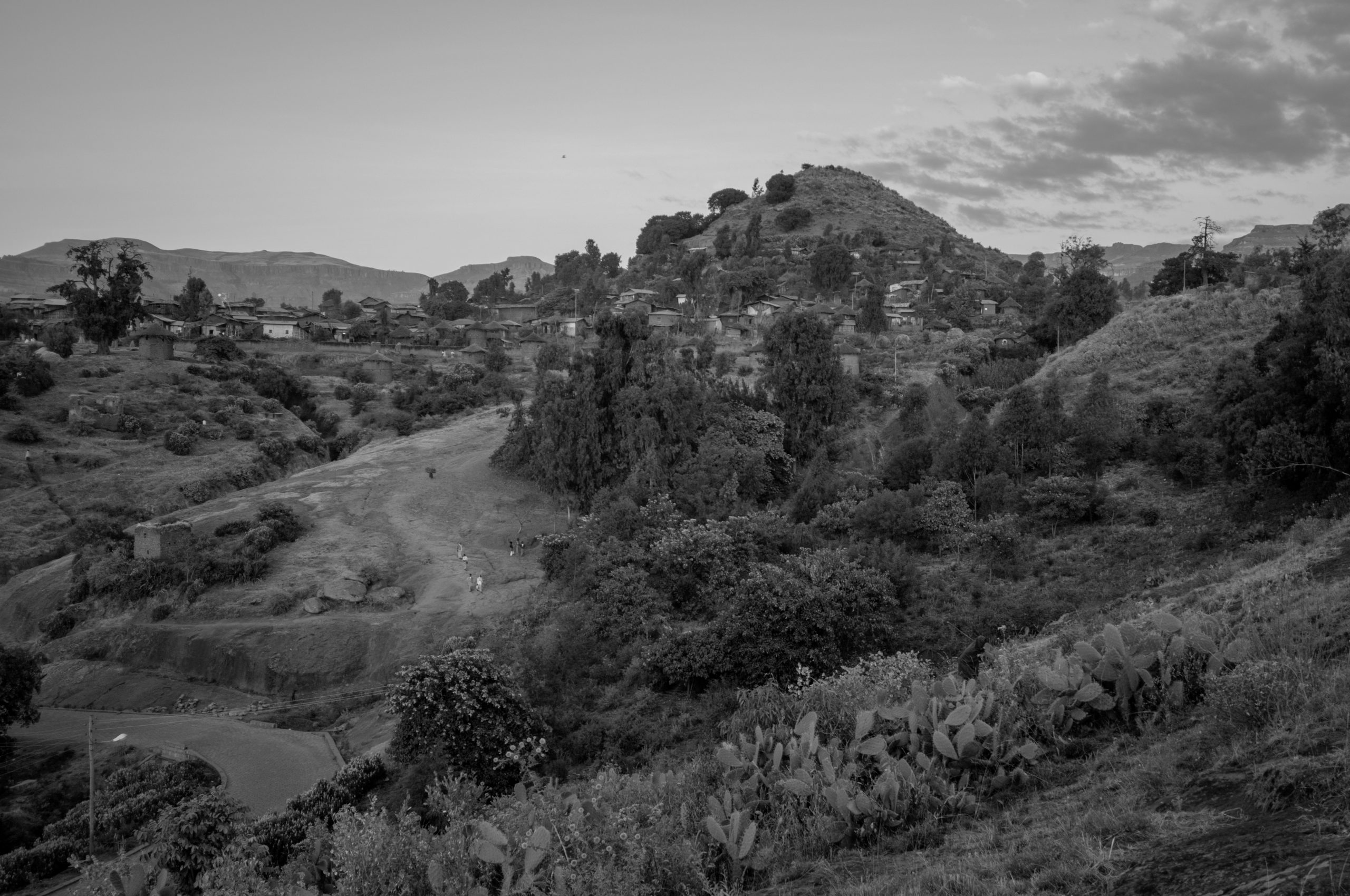
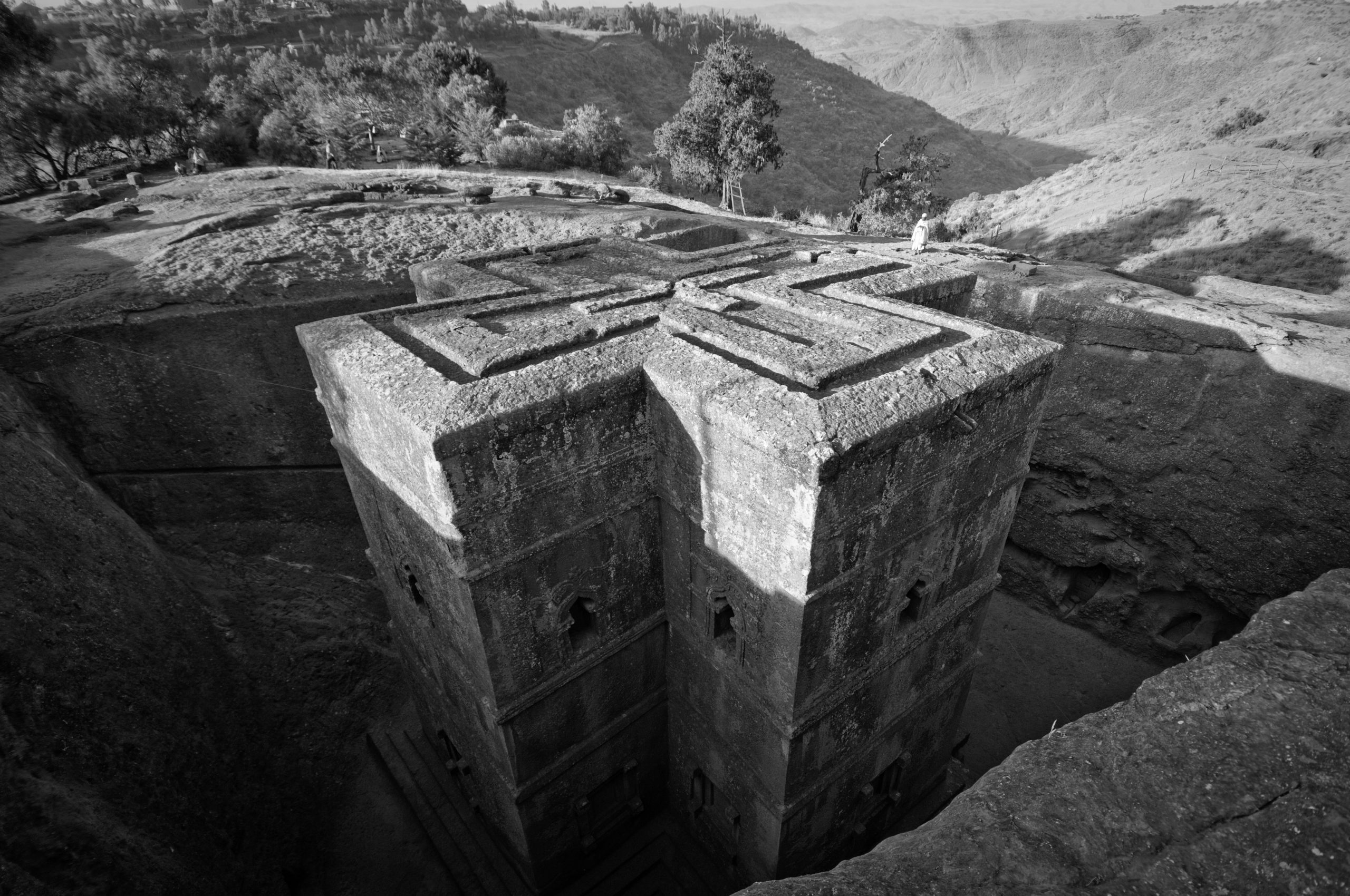
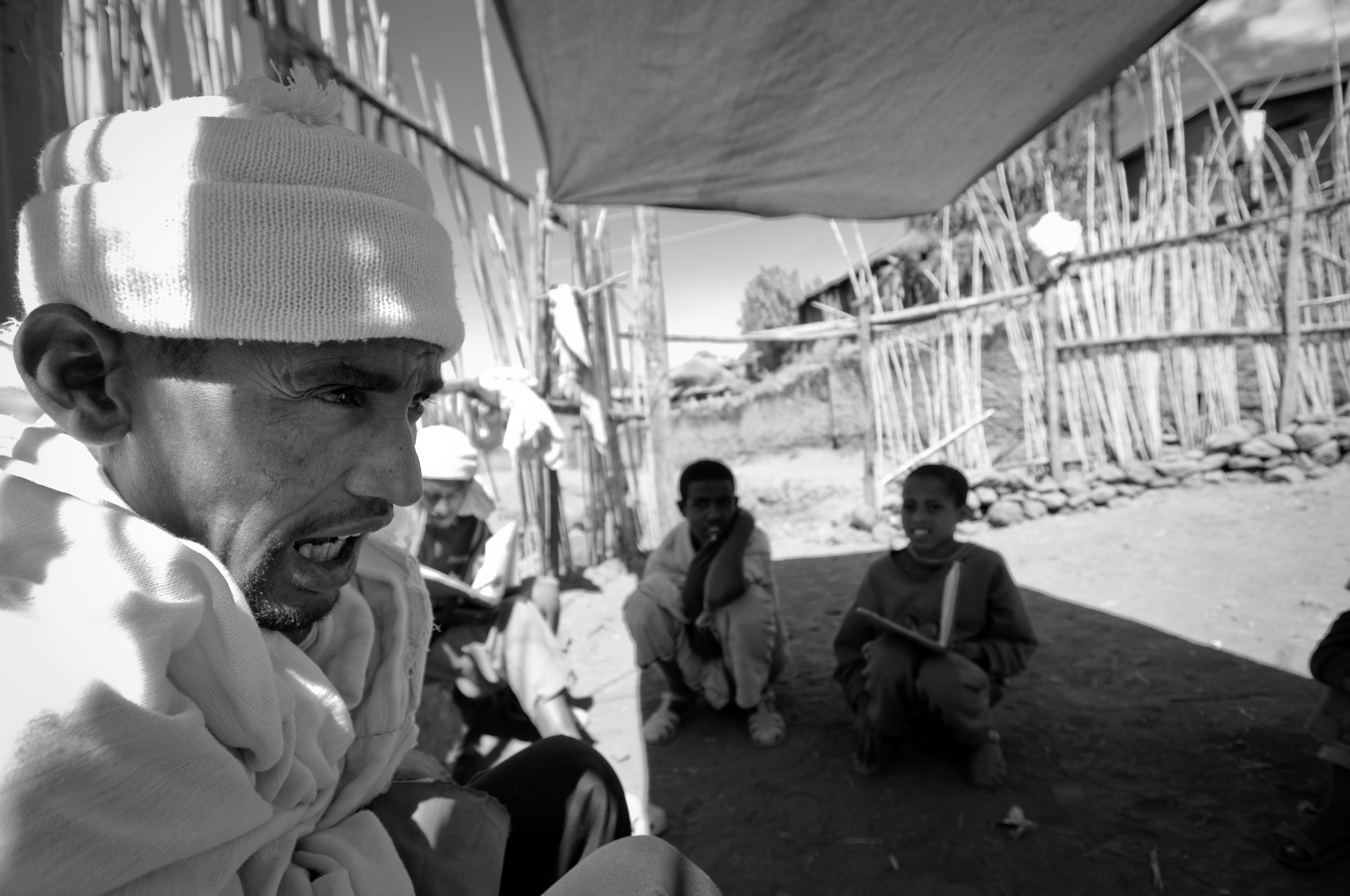
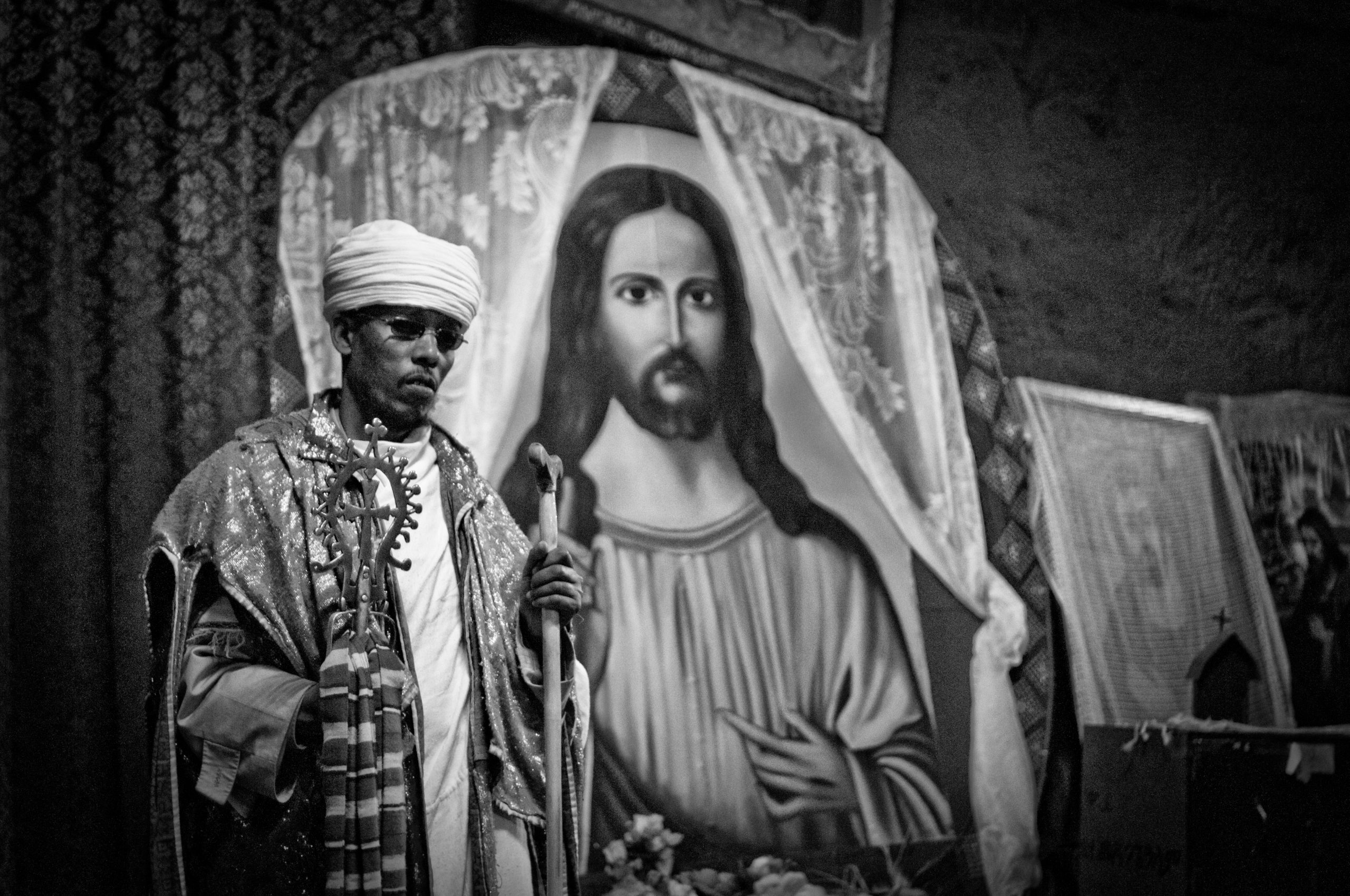
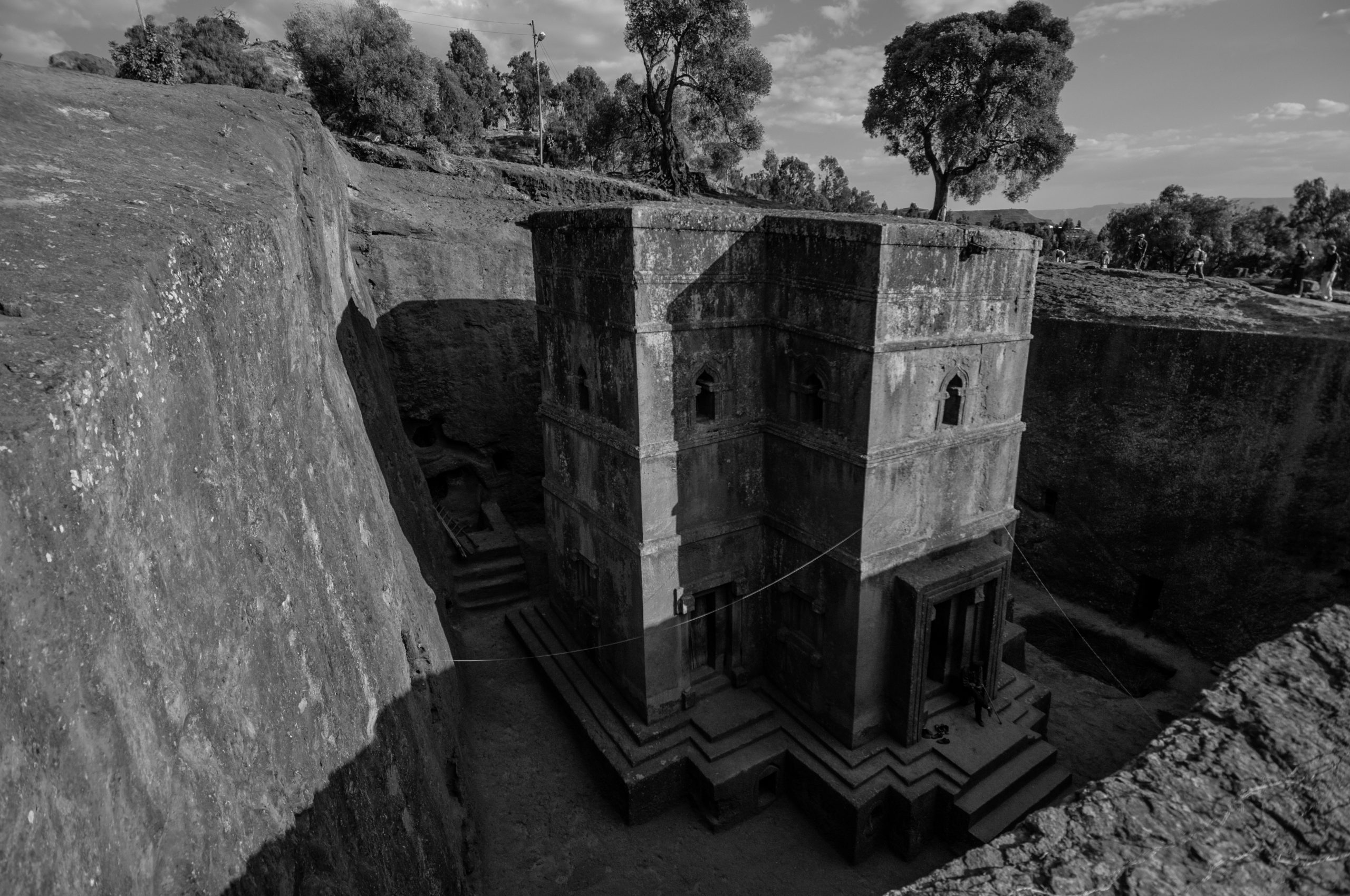
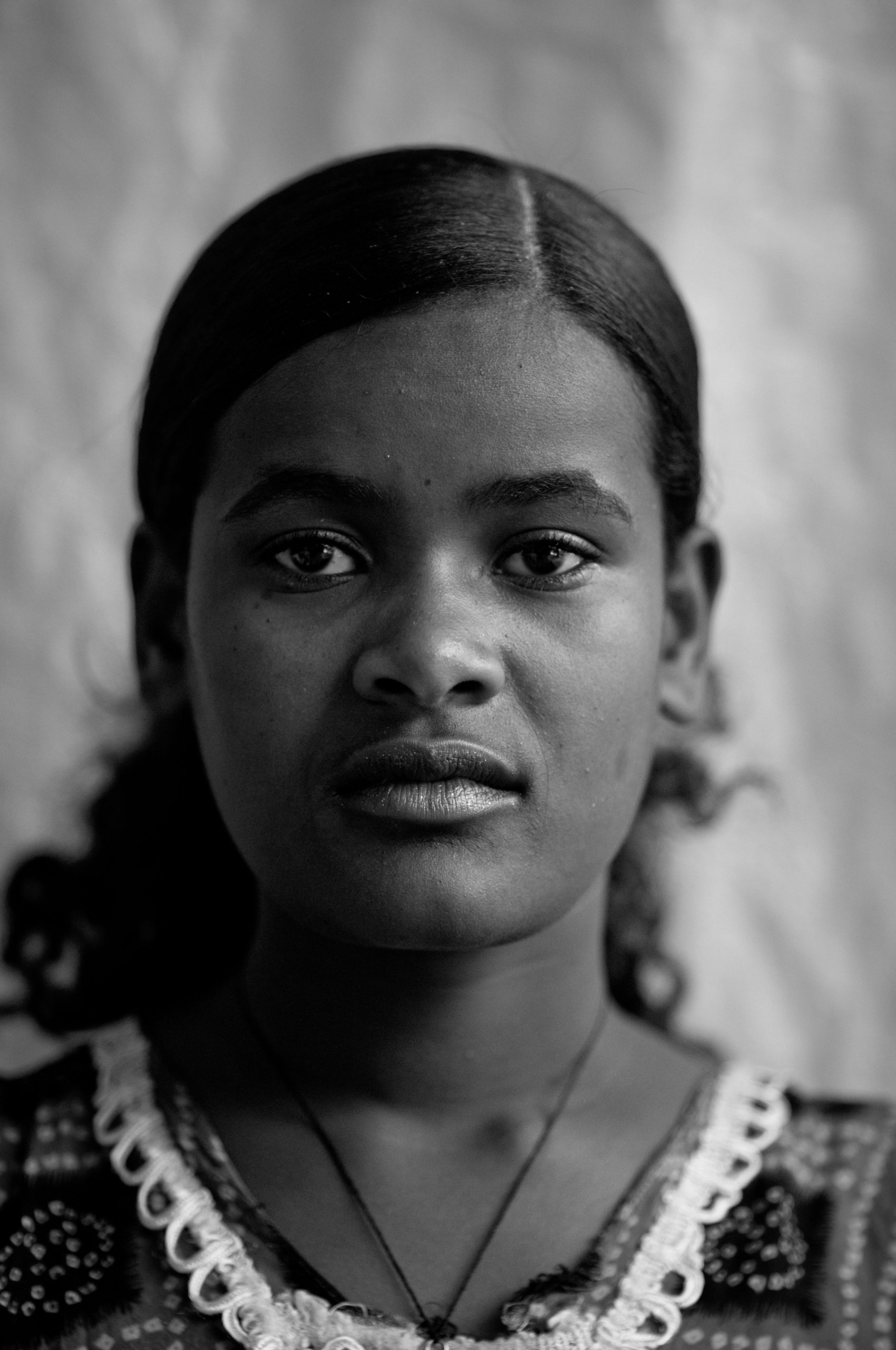
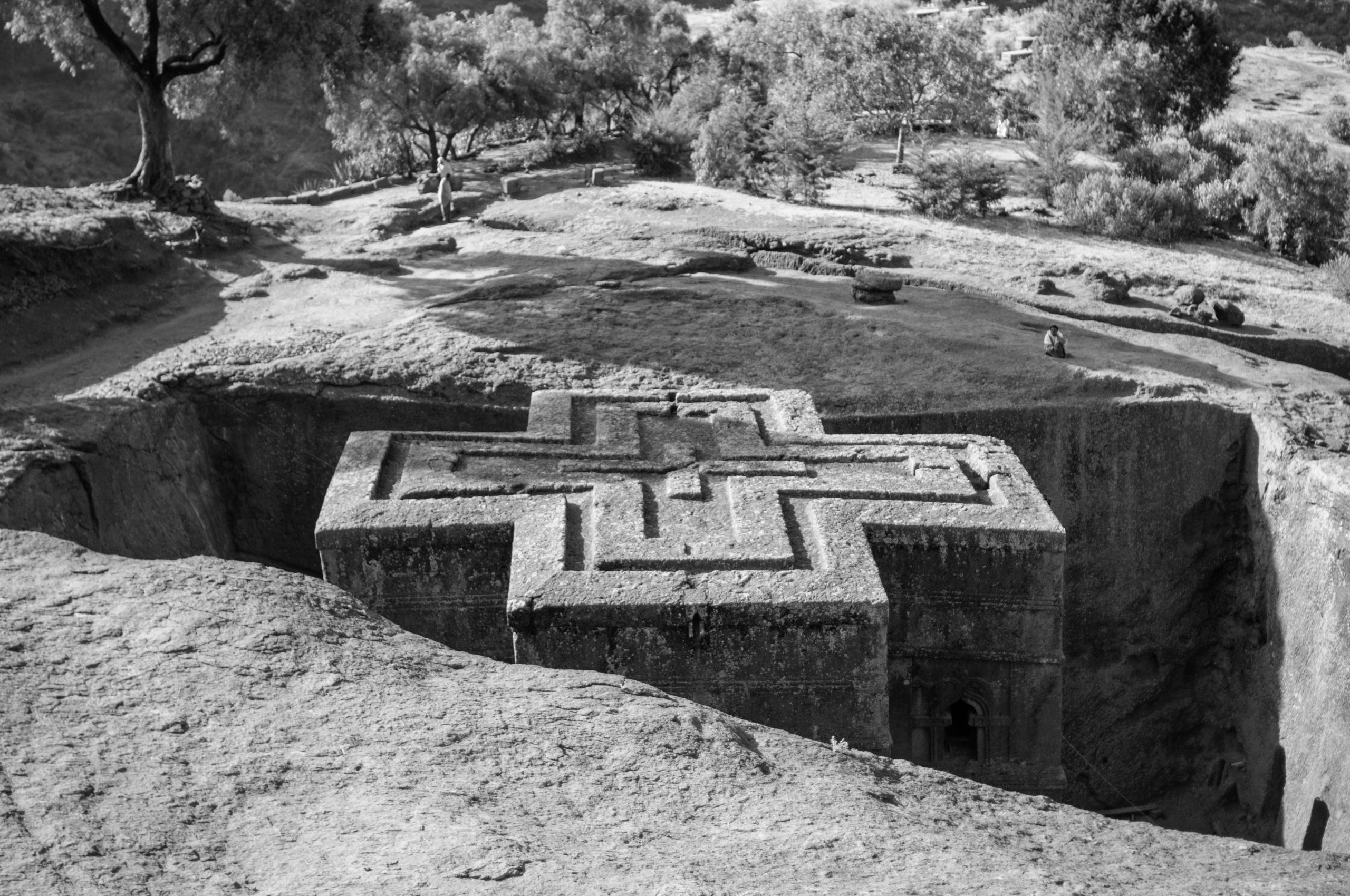
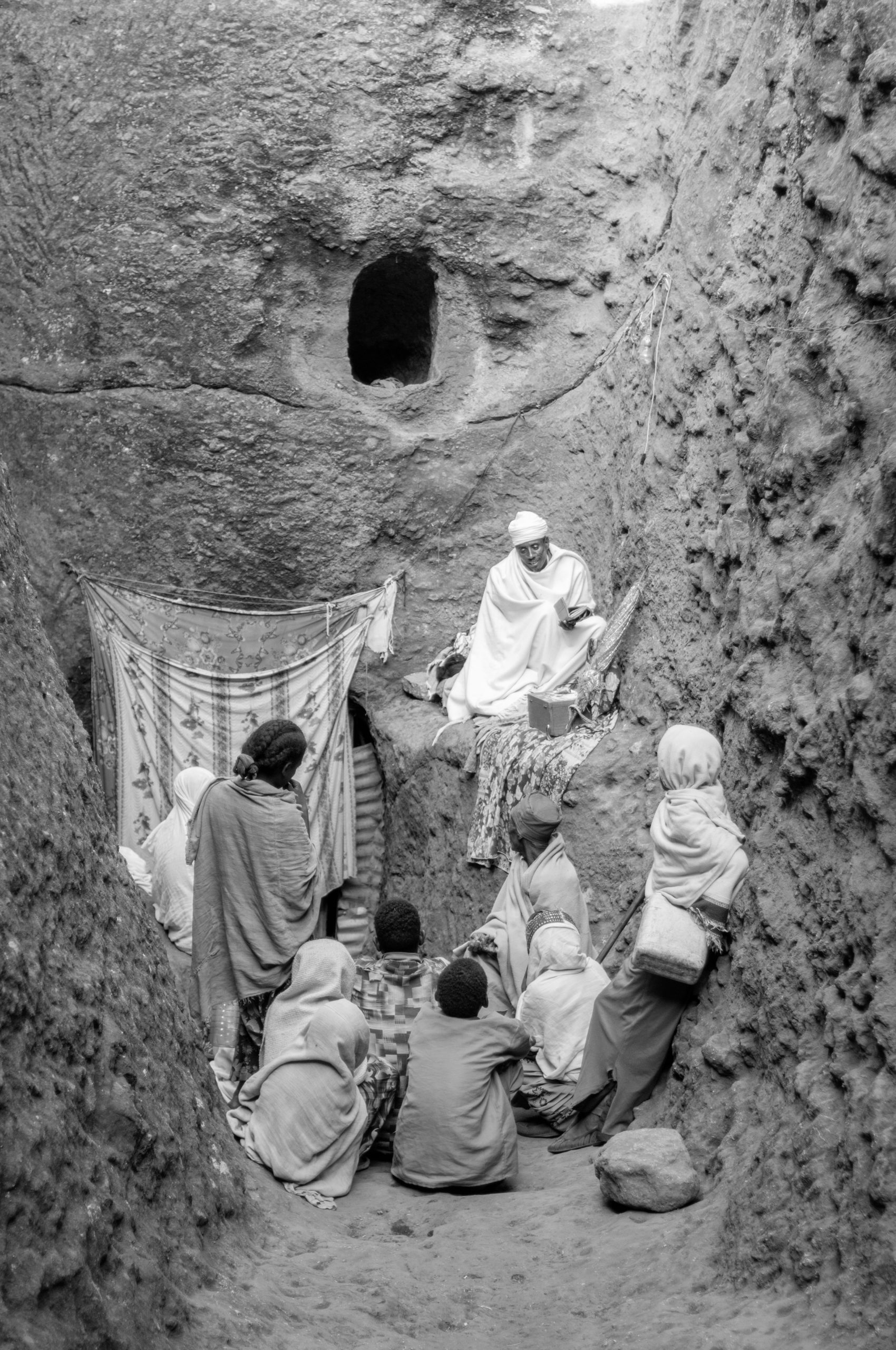
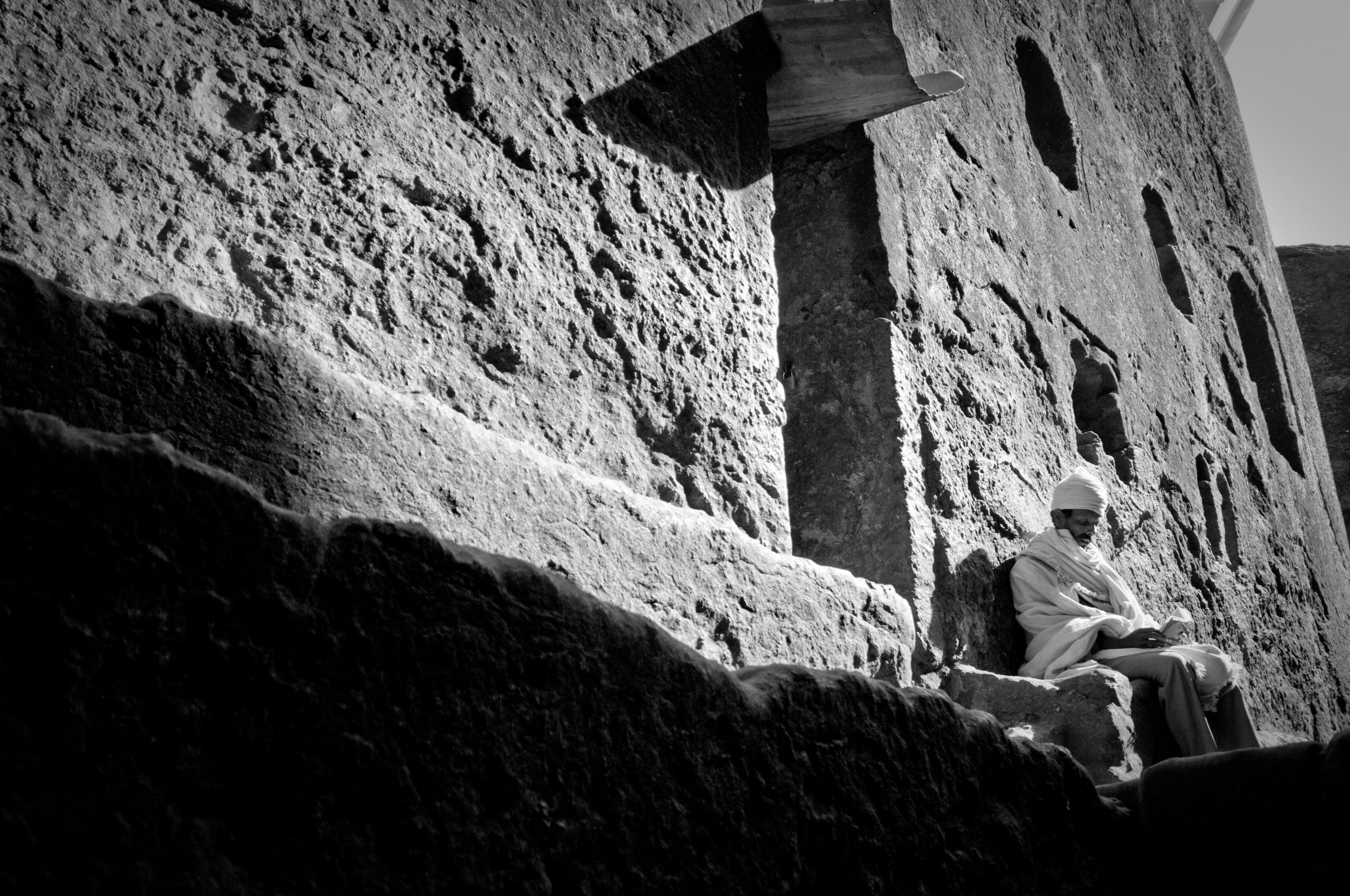
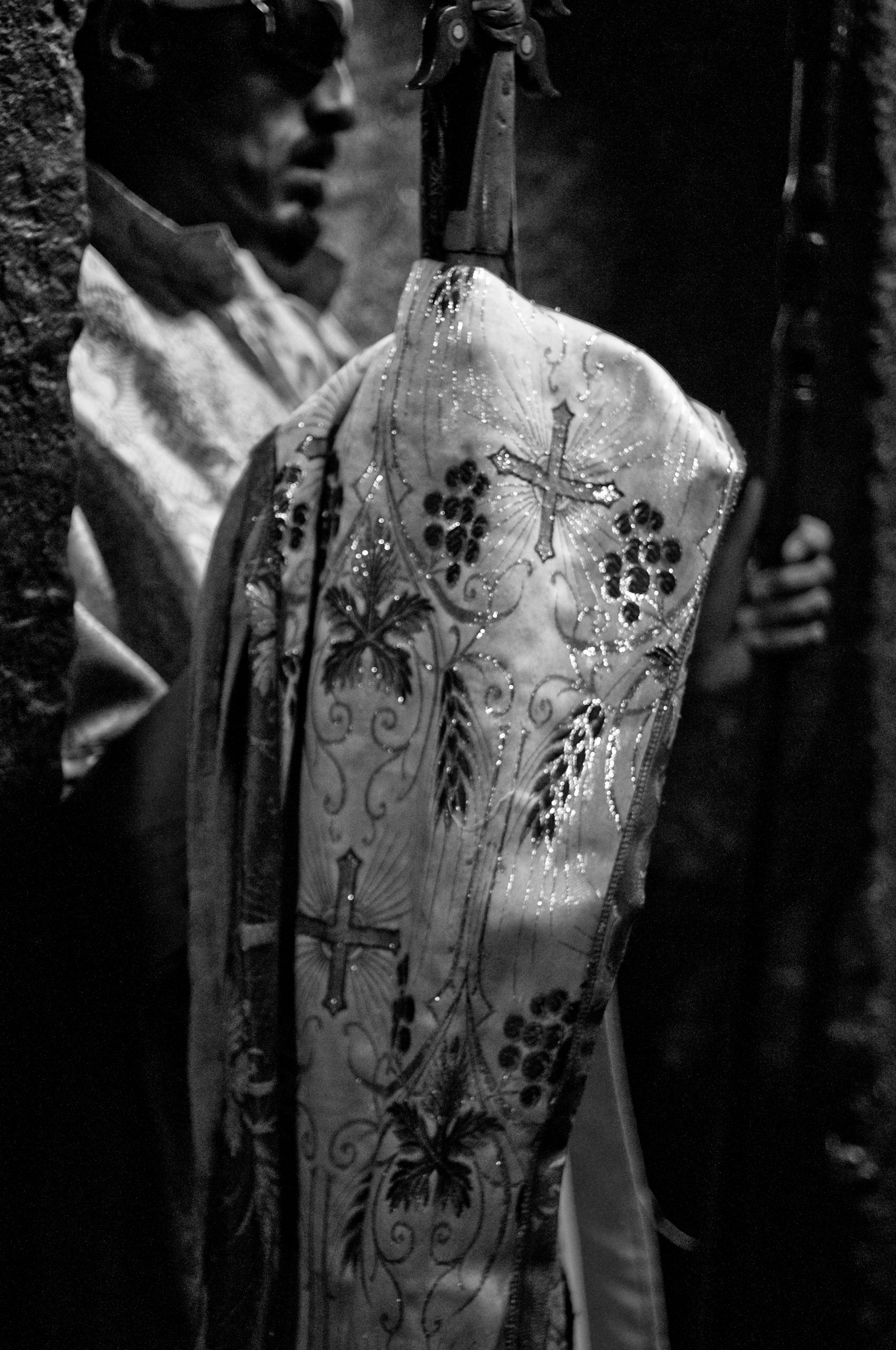
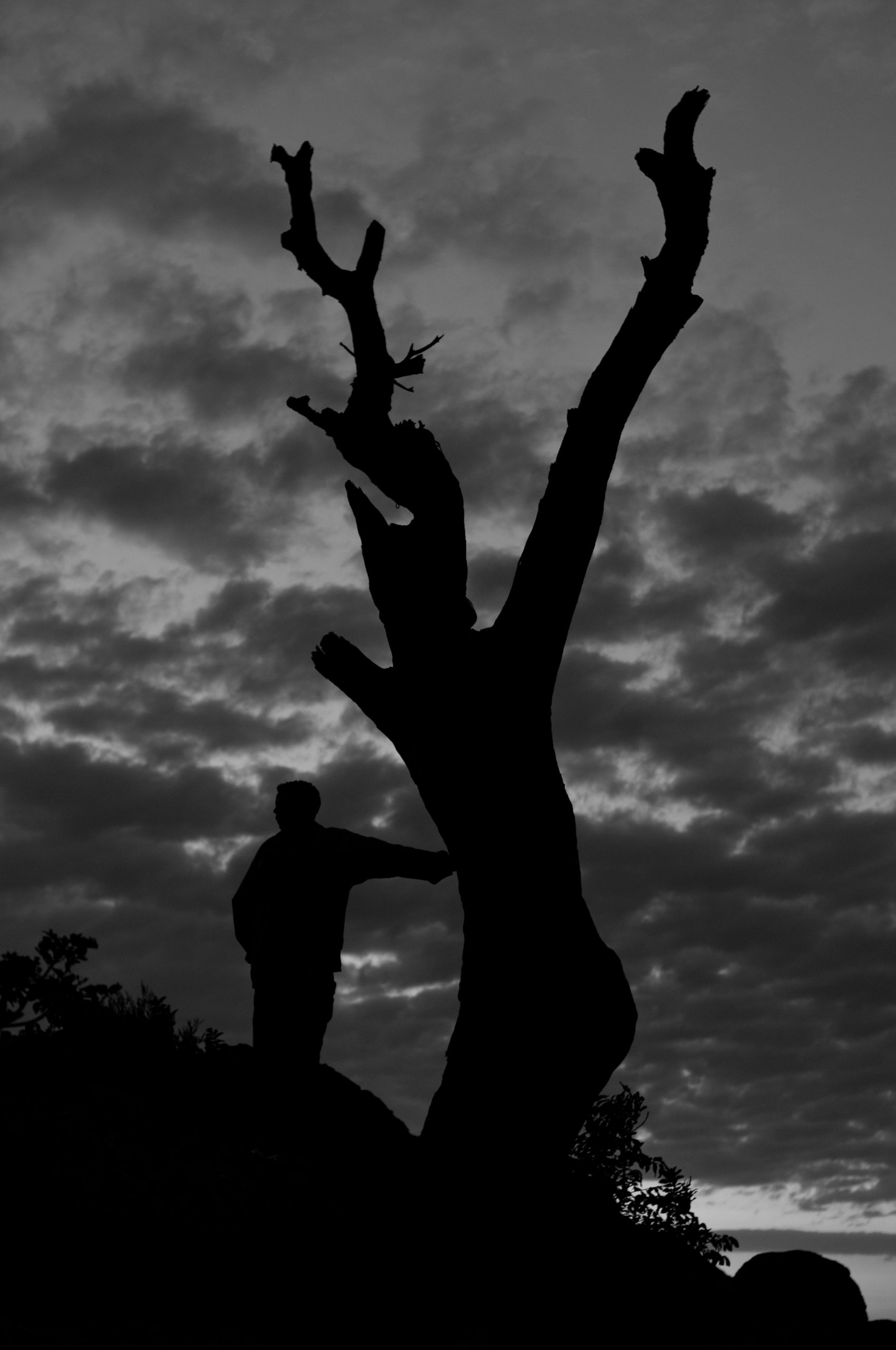
Lalibela is without a doubt the centre of the religious universe for the Ethiopian Orthodox church, and many Ethiopians. The Arc of the Covenant is said to be kept nearby which causes millions of pilgrims to visit Lalibela. But there are more reasons to visit Lalibela: The churches were hewn vertically out of solid bedrock -which makes them also a magnet for western tourists.
The churches are small on the inside with a holy man holding religious artefacts on display. The carpets in the churches are a home to countless fleas, so it is a good idea to pull your socks over your trousers to stop them from getting in.
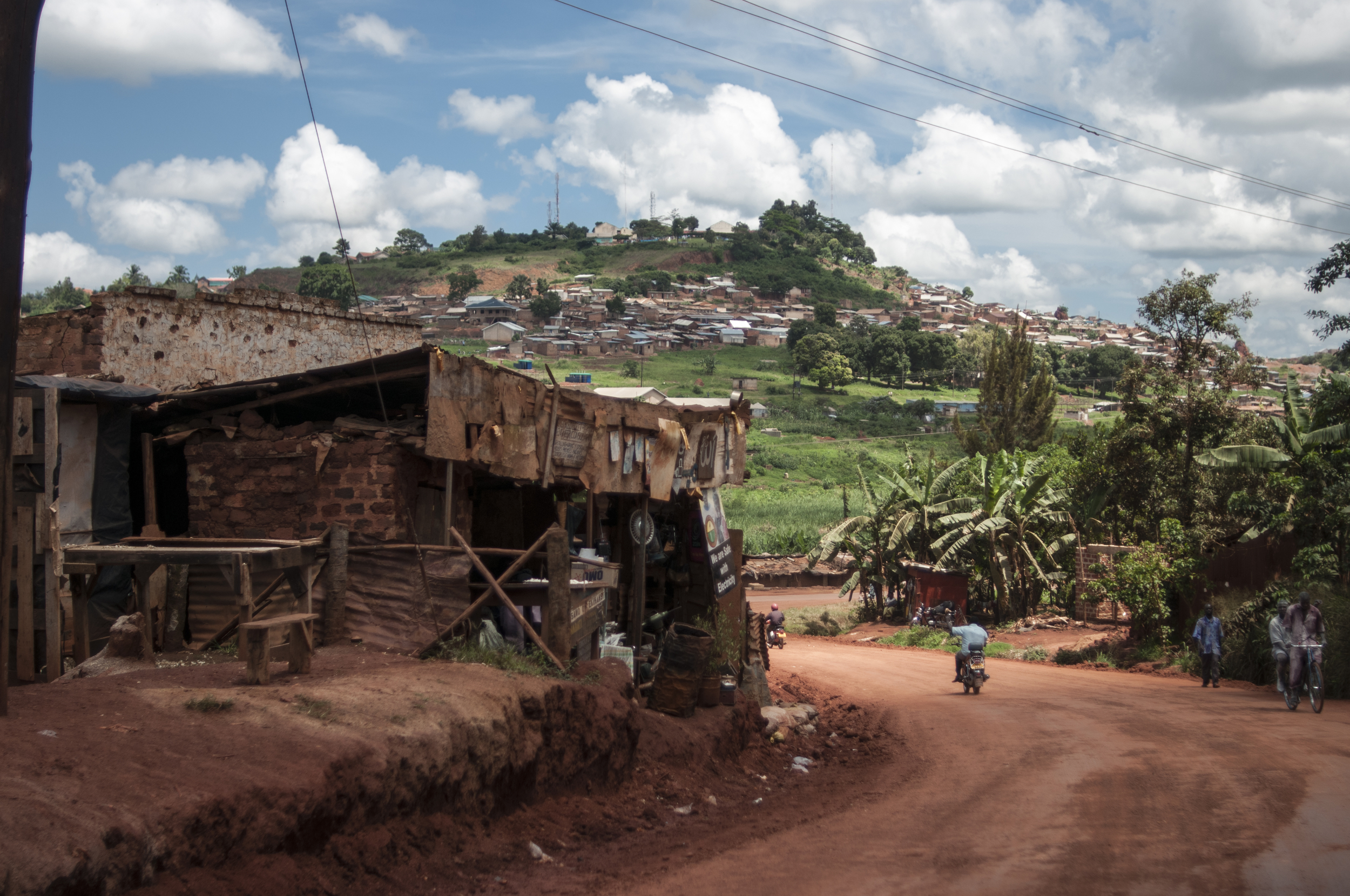
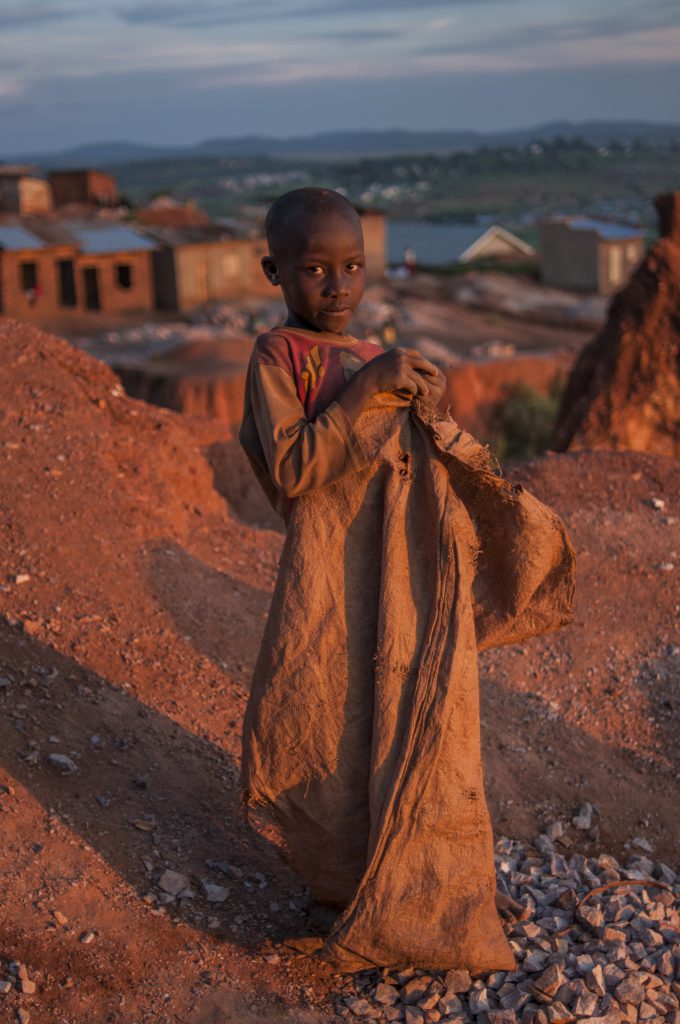
Uganda is one of the poorest countries in the world. To better understand this statement, it helps to learn what people have to resort to in order to make a living. Jobs are scarce for the undereducated even in the capital Kampala, so one must be resourceful to survive.
In an area called Kireka, locals are gradually chipping away at a mountain to produce rubble for road building – by hand. The work is crude and often dangerous in the absence of coordination between the various workers and total lack of safety regulations. All are put to work, children as well as adults.
Check the full story here.